Indian debt funds set to extend $4.5 billion bond selloff after RBI policy shift
Economic Times 1 hr ago·12 Oct 2026, 5:04 am
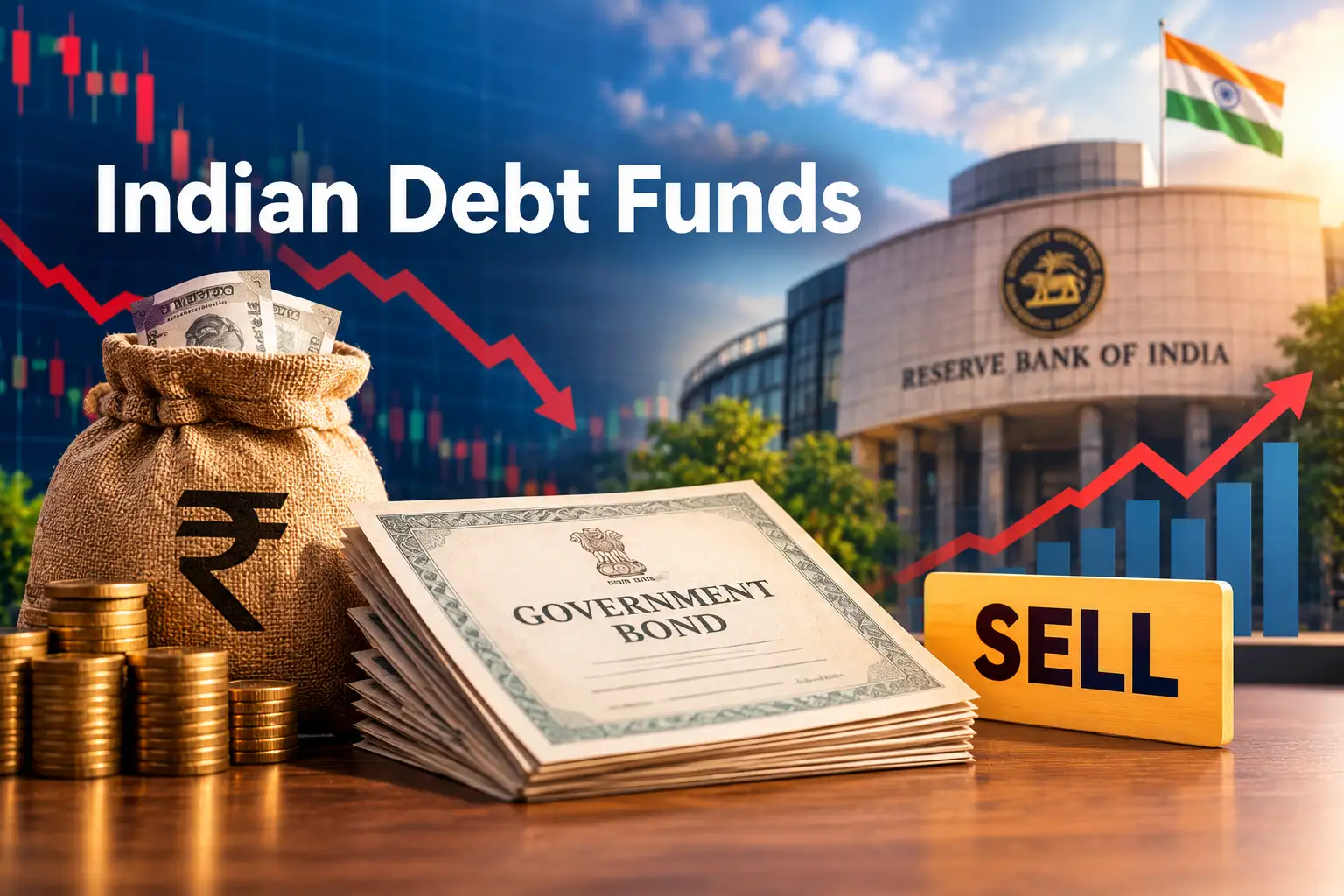
Indian debt mutual funds are continuing to offload government bonds, extending a massive selling spree that has already seen $4.5 billion exit since July. This trend is being driven by the Reserve Bank of India's recent decision to raise interest rates for the first time in nearly four years. As the central bank signals that more hikes could be on the way, long-term bond yields have climbed to near three-year highs.
For investors, this shift is significant because rising yields make existing bonds with lower coupon rates less attractive. Consequently, fund managers are reallocating portfolios toward short-duration assets that are less sensitive to interest rate changes. This move is aimed at protecting the fund's value from further volatility in the debt market.
Investors should monitor the central bank's future policy statements closely. Any indication of a pause in rate hikes could stabilize the bond market, whereas continued tightening may force funds to maintain their defensive positioning. Keeping an eye on the duration of your debt fund is also essential to understanding its exposure to these market movements.
Excerpt from Economic Times
Indian mutual funds have sold $4.5 billion in government bonds since July, prompted by changing rate expectations. The Reserve Bank of India raised rates for the first time in nearly four years, signaling further increases. Many asset managers are shifting to short-duration assets to mitigate risks associated with…Read the original at Economic Times
Affected stocks
Bearish1 stock
Bull / bear label is derived from the article's AI sentiment — indicative, not advice. Prices may be delayed.
Key takeaways
- Concerns Bank of India (BANKINDIA).
- Category: Stocks.
- AI reads the tone as negative (potentially bearish) for the stock.
- Flagged as a high-impact, market-moving story.
Why it matters
This is a high-impact development for Bank of India and could move the stock. The tone is negative — watch for downside reaction. Use the price and stock snapshot to gauge how the market is responding.