India bonds rise after flat open as sharp drop in US yields spurs value buying
Economic Times 1 hr ago·19 Oct 2026, 6:28 am
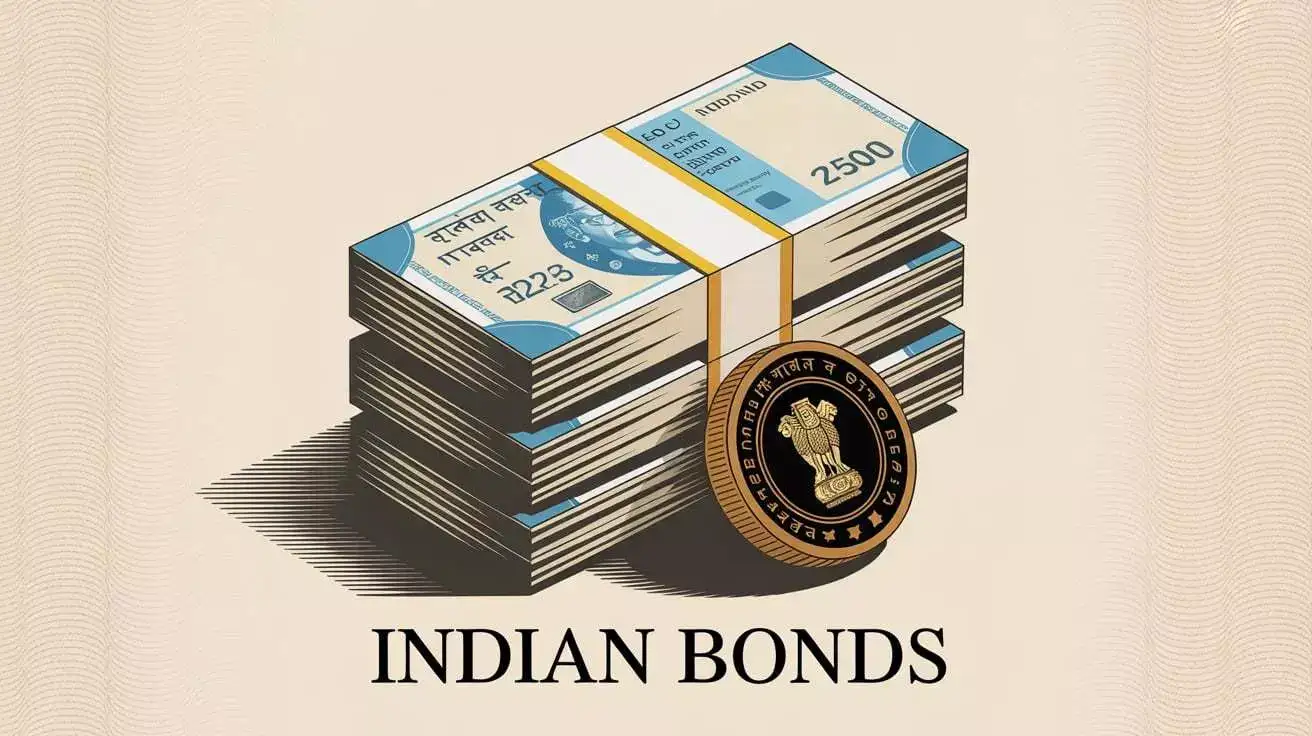
Indian government bonds rallied after a flat start, driven by a sharp decline in US Treasury yields. This global shift prompted investors to seek better returns in Indian debt, leading to significant buying pressure. Additionally, falling oil prices, supported by expectations of increased supply, further supported the rally. However, the positive momentum faces a headwind as India's consumer inflation has risen to 5.54%. This uptick in price pressures, combined with ongoing capital outflows, increases the likelihood that the Reserve Bank of India might tighten financial conditions in the near future.
For investors, this move in bond yields is a key indicator of the market's reaction to global interest rate trends and domestic inflation data. A rising inflation rate could force the RBI to maintain higher interest rates for longer, which may cap the upside potential for bond prices. Investors should closely monitor the RBI's upcoming policy decisions and inflation reports to gauge the future direction of the bond market.
Excerpt from Economic Times
The Indian government bond market saw a positive turnaround as US Treasury yields declined, prompting significant value purchases. The benchmark 6.94% bond maturing in 2036 observed a yield of 7.3551% in morning trading. Concurrently, oil prices dipped, fueled by expectations of improved supply following lifted…Read the original at Economic Times
Affected stocks
Bullish1 stock
Bull / bear label is derived from the article's AI sentiment — indicative, not advice. Prices may be delayed.
Key takeaways
- Concerns Bank of India (BANKINDIA).
- Category: Corporate Action.
- AI reads the tone as positive (potentially bullish) for the stock.
- Flagged as a high-impact, market-moving story.
Why it matters
This is a high-impact development for Bank of India and could move the stock. The tone is positive — historically associated with upward pressure, though not predictive. Use the price and stock snapshot to gauge how the market is responding.