Negative impactCorporate Action
India’s external pressures persist despite forex swap inflows, says Nageswaran
Economic Times 1 hr ago·24 Sept 2026, 6:14 pm
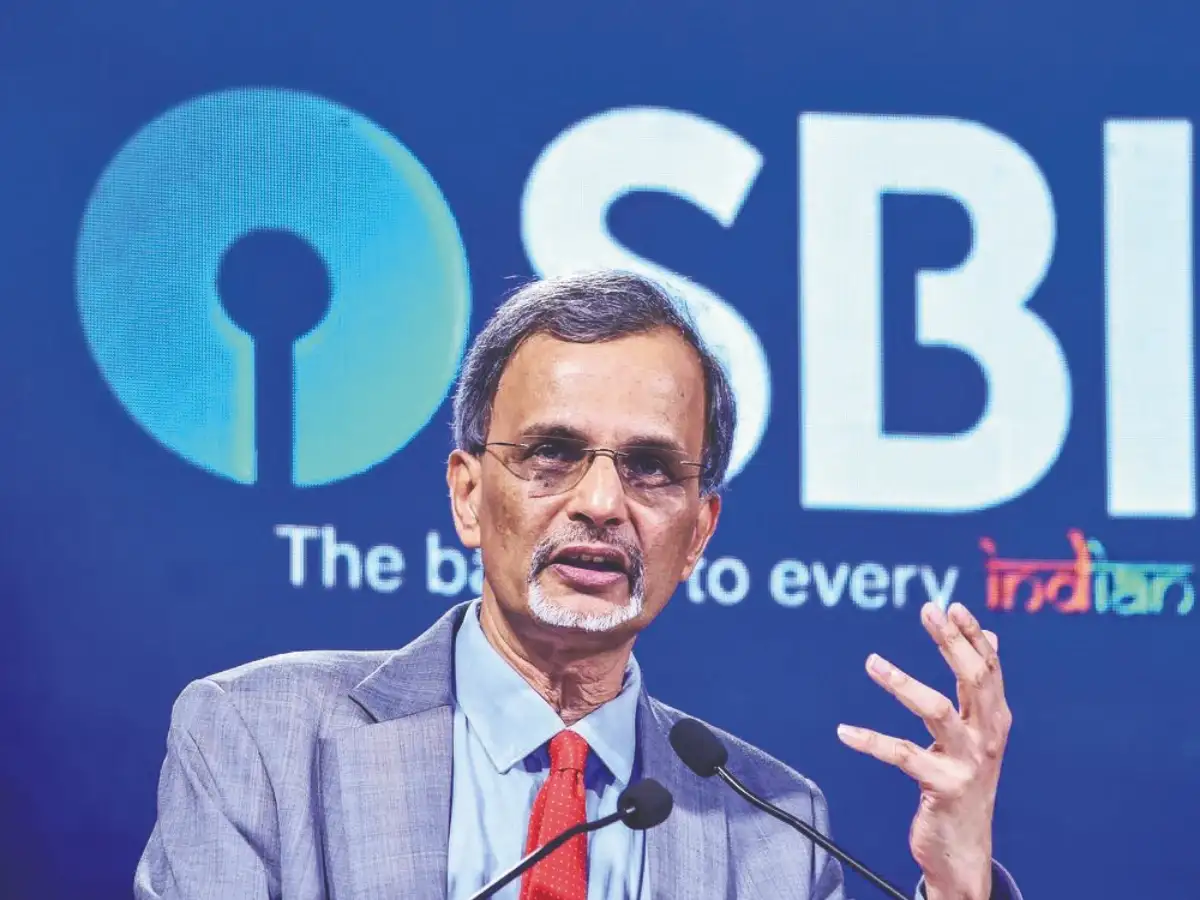
India's Chief Economic Advisor V Anantha Nageswaran has warned that the country's external financial pressures are not yet over. While the Reserve Bank of India (RBI) has successfully used a special swap window to bring in foreign currency, this is viewed as a temporary fix rather than a permanent solution. The government remains concerned about the balance of payments, which tracks the difference between money coming in and going out of the country.
For investors, this signals that the external environment remains fragile. Rising import costs and a global race for capital could strain the rupee and the country's foreign exchange reserves. This situation creates a cautious outlook for the economy, as the government navigates these challenges while trying to maintain stability in the financial markets.
Moving forward, market participants should watch the pace of foreign capital inflows and the trend in India's trade deficit. Any signs of slowing capital inflows or a sharp rise in import bills could put additional pressure on the rupee and the banking sector. Keeping an eye on these indicators will be crucial for understanding the stability of the financial system.
Excerpt from Economic Times
India's Chief Economic Advisor V Anantha Nageswaran highlighted ongoing balance of payments pressures amid increased foreign capital inflows. The Reserve Bank of India's special forex swap window has facilitated significant foreign currency inflows. However, these inflows are seen as a temporary measure rather than a…Read the original at Economic Times
Affected stocks
Bearish1 stock
Bull / bear label is derived from the article's AI sentiment — indicative, not advice. Prices may be delayed.
Key takeaways
- Concerns Bank OF India (BANKINDIA).
- Category: Corporate Action.
- AI reads the tone as negative (potentially bearish) for the stock.
- Assessed as a significant, market-relevant update.
Why it matters
A meaningful update for Bank OF India worth tracking. The tone is negative — watch for downside reaction. Use the price and stock snapshot to gauge how the market is responding.