India's oil shock cushion could cost 1.7% of GDP at $100 crude
CNBC-TV18 1 hr ago·26 Oct 2026, 5:05 pm
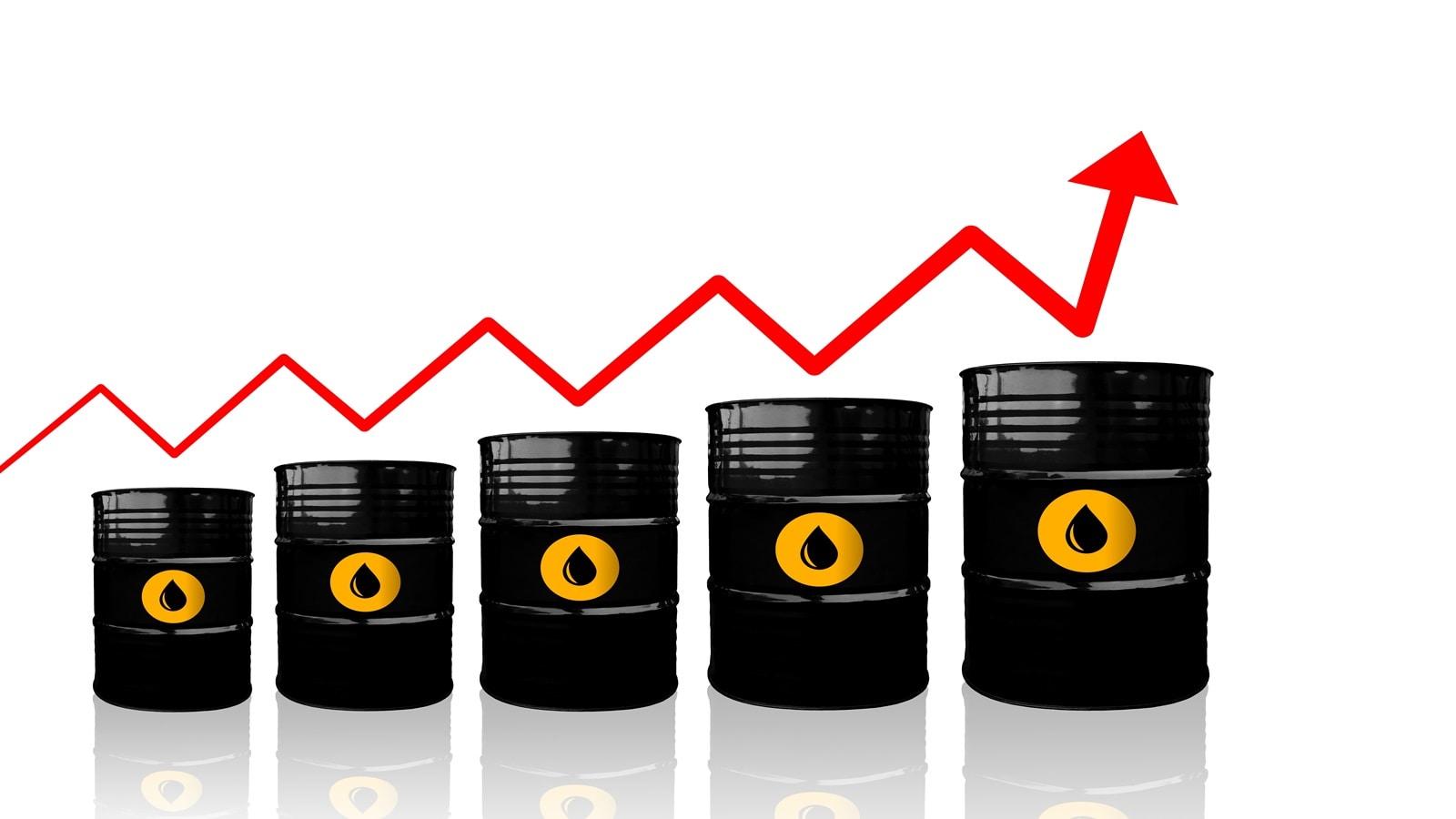
India's oil import bill could rise sharply if global crude prices average $100 per barrel this year. According to a recent report, the combined fiscal burden of supporting the economy could reach about 1.7% of the country's GDP. This cost would be shared by the central and state governments, public sector undertakings, and the Reserve Bank of India.
For investors, this scenario signals a potential drag on government finances and corporate earnings. Higher fuel prices often lead to increased subsidy payouts and tighter monetary policy, which can pressure banking sector profitability. As the budget for the upcoming fiscal year approaches, market participants will closely watch the government's strategy to manage these rising energy costs.
Moving forward, the key focus will be on the government's subsidy management and the RBI's policy stance. If crude prices remain elevated, it could lead to higher inflation and tighter liquidity, affecting the banking sector. Investors should monitor policy announcements and global oil trends to gauge the impact on financial stocks.
Excerpt from CNBC-TV18
Published On Oct 26, 2026 | 22:35 IST Last Updated On Oct 26, 2026 | 22:35 IST A sustained crude surge threatens to widen India's import bill and squeeze corporate margins, with government bodies and the central bank shouldering a massive fiscal burden to shield retail consumers. Discover how policymakers plan to…Read the original at CNBC-TV18
Affected stocks
Bearish2 stocks
Bull / bear label is derived from the article's AI sentiment — indicative, not advice. Prices may be delayed.
Key takeaways
- Concerns Bank OF India (BANKINDIA).
- Category: Economy.
- AI reads the tone as negative (potentially bearish) for the stock.
- Flagged as a high-impact, market-moving story.
- Also mentions AXISBANK.
Why it matters
This is a high-impact development for Bank OF India and could move the stock. The tone is negative — watch for downside reaction. Use the price and stock snapshot to gauge how the market is responding.