Neutral impactEconomy
Neighbour held 4.27 acres for 40 years; 80 year old original owner gets his title restored
Times of India 3 hrs ago·4 Sept 2026, 2:34 pm
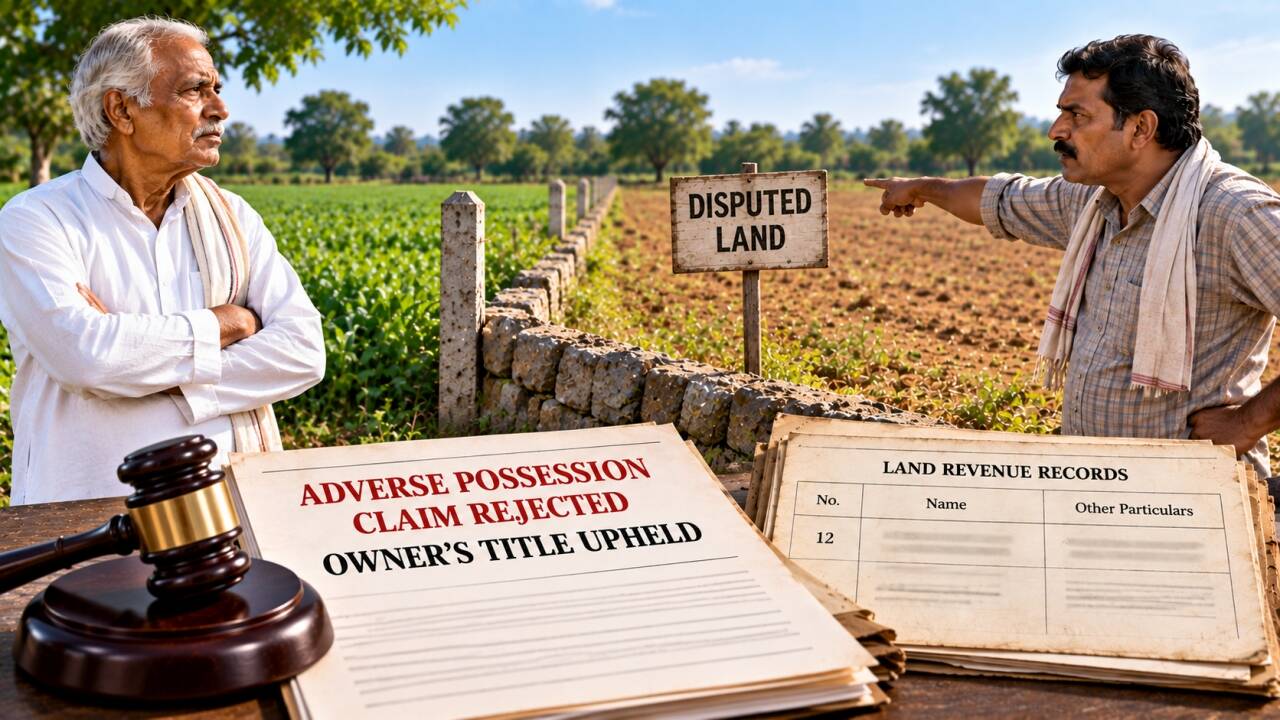
A legal ruling has clarified that simply occupying a property for a long time does not automatically grant ownership. The court emphasized that for a long-term occupier to claim the land, they must also show a clear intention to possess it as their own, known as 'hostile title,' along with an animus (hostile intent) to exclude the true owner. This decision reinforces the legal principle that the original owner's rights are protected even after decades of absence.
This development matters for investors as it underscores the importance of due diligence in real estate and land-related businesses. It highlights that long-term possession is not a guaranteed path to legal ownership, which can impact the valuation and legal standing of assets held by companies. Investors should monitor how this legal standard is applied in future cases, particularly regarding property disputes and land acquisition.
Going forward, stakeholders should pay close attention to how courts interpret the 'animus' requirement in adverse possession cases. A strict interpretation could make it harder for squatters to claim ownership, potentially stabilizing land values. Conversely, a broader interpretation might increase legal risks for developers and investors holding disputed properties. Keeping an eye on judicial precedents in this area will be crucial for assessing long-term investment security.
Key takeaways
- Category: Economy.
Why it matters
A routine update. Use the price and stock snapshot to gauge how the market is responding.