RBI turns to 30-day VRRR to absorb excess liquidity
Economic Times 1 hr ago·4 Sept 2026, 3:31 pm
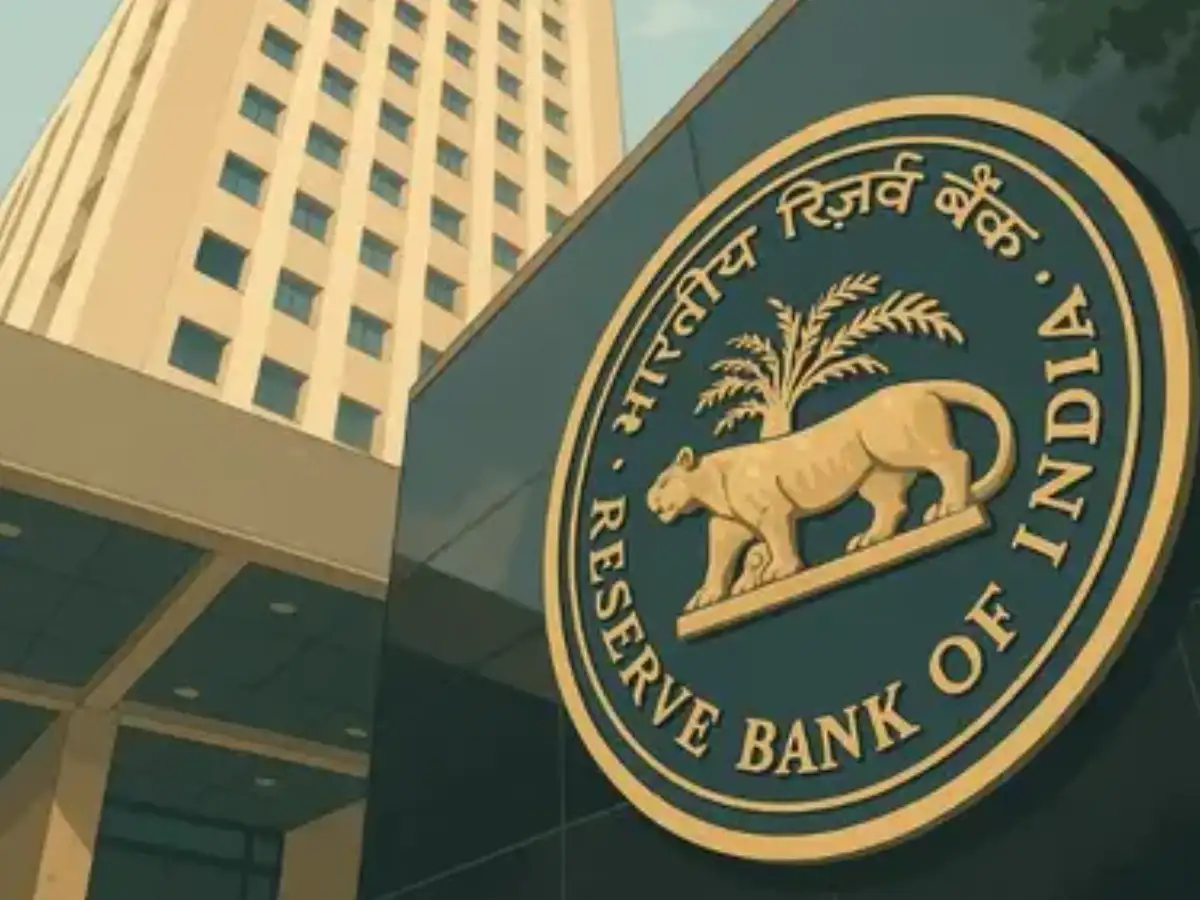
The Reserve Bank of India is actively managing the surplus cash in the banking system by auctioning funds for a 30-day period. This move, known as Variable Rate Reverse Repo (VRRR), is designed to soak up excess liquidity that has accumulated due to strong foreign exchange inflows and dollar mobilization programs.
For investors, this is a significant development as it indicates the central bank's intent to tighten liquidity to control inflation. Banks that participate in these auctions earn a fixed return on their idle cash, which can impact their net interest margins. This action suggests the RBI is taking steps to prevent the money supply from growing too rapidly.
Investors should monitor the volume of funds absorbed in these auctions. A higher participation rate signals that banks are finding these returns attractive, which can support bond prices. However, if the RBI needs to conduct frequent or large-scale auctions, it may signal that liquidity conditions are tightening, which could affect the broader market sentiment.
Excerpt from Economic Times
The Reserve Bank of India is conducting auctions to absorb excess funds. This liquidity stems from special dollar mobilization programs and forex inflows. The central bank aims to manage surplus funds and control inflation pressures. Analysts expect liquidity to potentially reach fifteen lakh crore rupees soon. RBI…Read the original at Economic Times
Affected stocks
Neutral1 stock
Bull / bear label is derived from the article's AI sentiment — indicative, not advice. Prices may be delayed.
Key takeaways
- Concerns Bank OF India (BANKINDIA).
- Category: Economy.
- Flagged as a high-impact, market-moving story.
Why it matters
This is a high-impact development for Bank OF India and could move the stock. Use the price and stock snapshot to gauge how the market is responding.