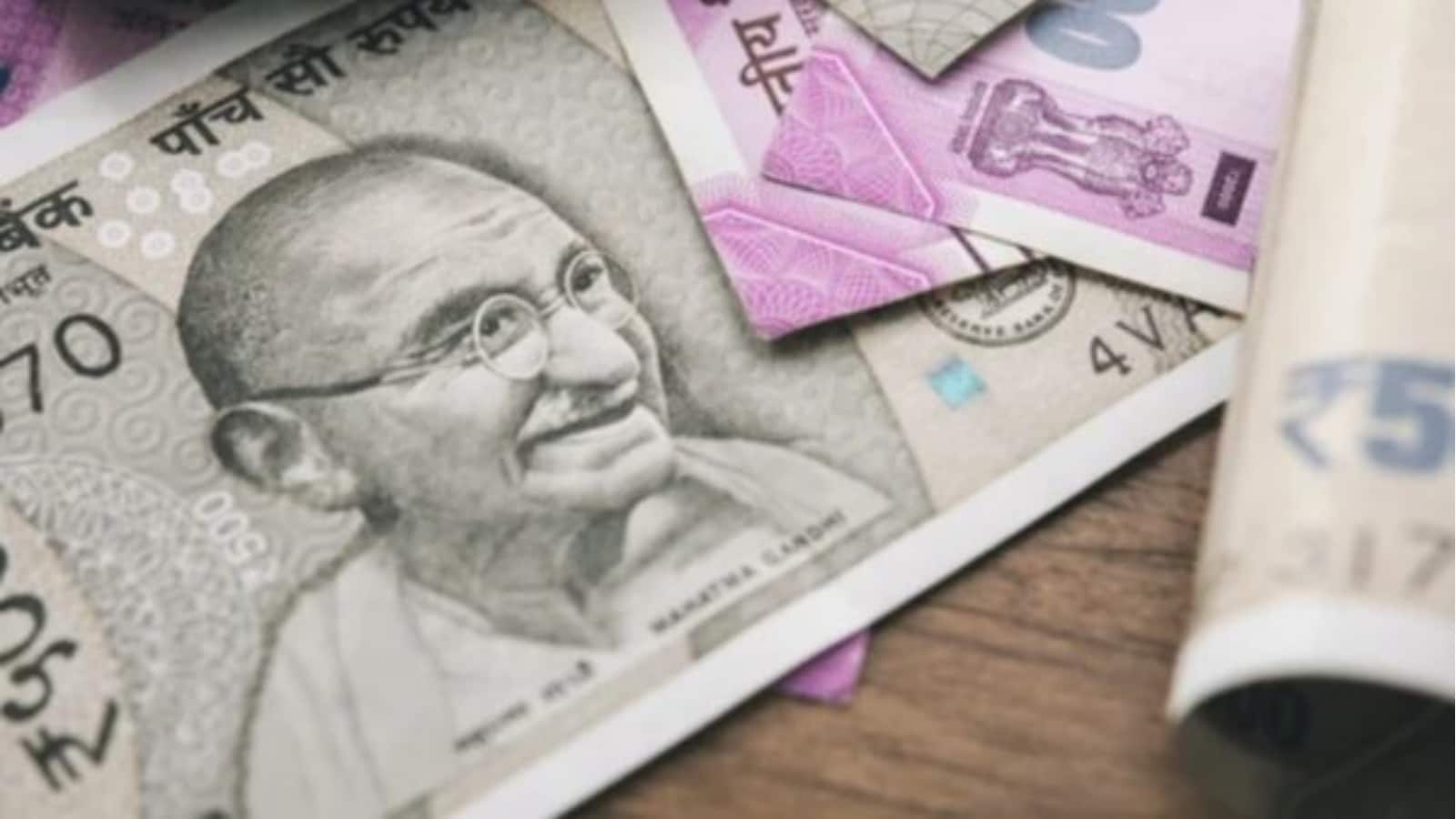
India's forex reserves rise by $11.47 billion to hit record high of $740.80 billion as of August 28
Economic Times 1 hr ago·4 Sept 2026, 11:39 am

India's foreign exchange reserves have reached a new record high of $740.80 billion, marking a significant jump of $11.47 billion in a single week. This accumulation is largely driven by the Reserve Bank of India's (RBI) intervention in the foreign exchange market to manage currency volatility. By selling dollars and buying rupees, the central bank effectively absorbs excess foreign currency supply, which helps stabilize the domestic currency against global fluctuations.
For investors, this surge in reserves is a positive indicator of the country's economic stability and external sector health. A robust reserve buffer provides a cushion against external shocks, such as a sudden drop in capital inflows or a spike in global oil prices. It also signals that the RBI has ample ammunition to manage the rupee's value, reducing the risk of sharp currency swings in the short term.
Moving forward, market participants should watch the pace of these reserve additions. While a steady build-up is generally healthy, it is important to monitor the reasons behind the inflows. If the reserves are growing due to consistent foreign capital inflows rather than just RBI intervention, it could signal stronger investor confidence in the Indian economy. Conversely, if the build-up is purely defensive, the market may focus on the underlying current account deficit.
Affected stocks
Bullish1 stock
Bull / bear label is derived from the article's AI sentiment — indicative, not advice. Prices may be delayed.
Key takeaways
- Concerns Bank OF India (BANKINDIA).
- Category: Economy.
- AI reads the tone as positive (potentially bullish) for the stock.
- Flagged as a high-impact, market-moving story.
Why it matters
This is a high-impact development for Bank OF India and could move the stock. The tone is positive — historically associated with upward pressure, though not predictive. Use the price and stock snapshot to gauge how the market is responding.