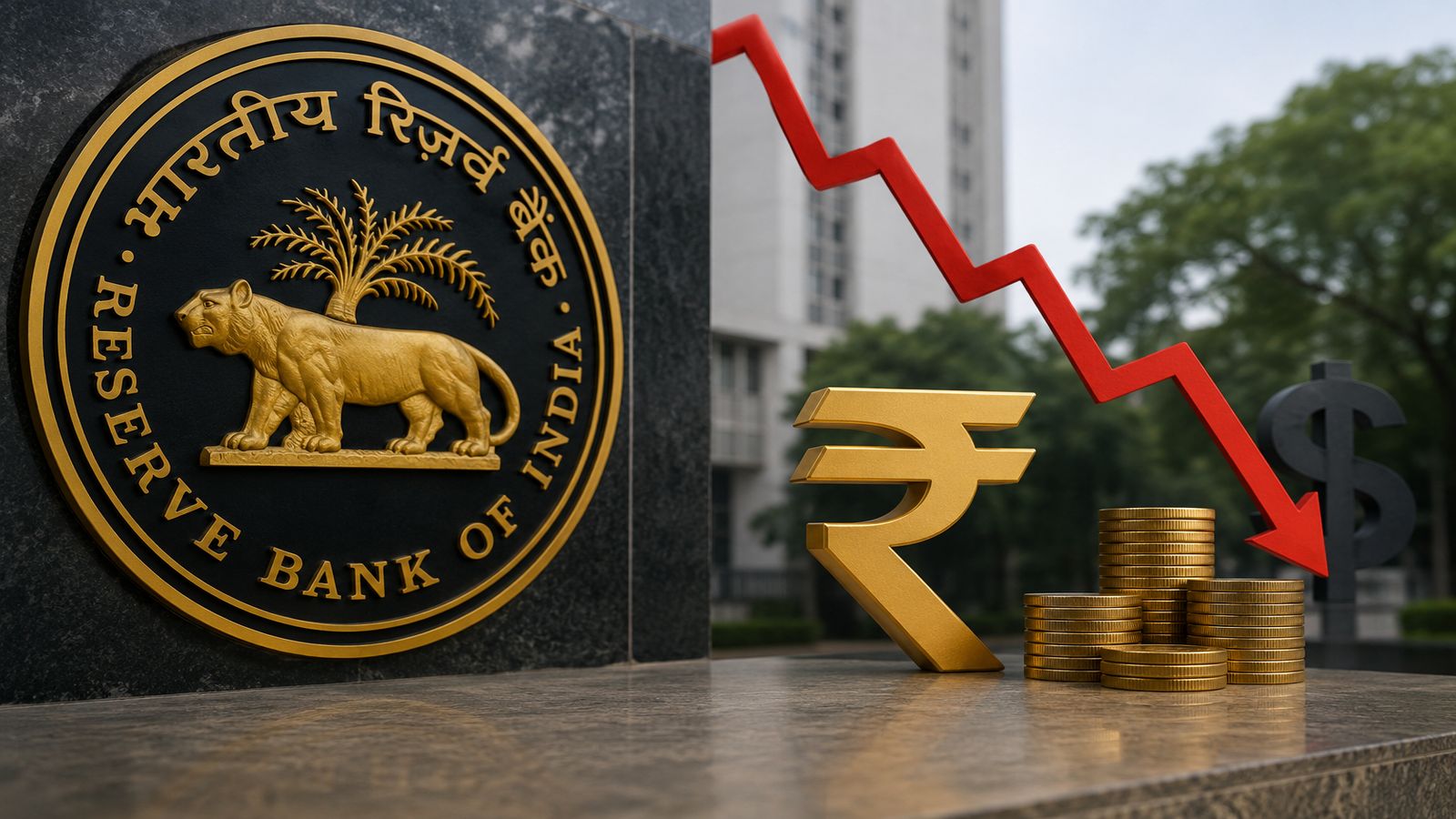
Nifty’s worst September since 2001: Factors driving the market decline
LinkedIn 1 hr ago·29 Sept 2026, 7:29 am

India's benchmark Nifty 50 index has suffered its worst September performance in over two decades, closing the month with steep losses. This sharp decline was driven by a global selloff, where investors pulled money out of riskier assets due to rising global interest rates and fears of an economic slowdown. Domestically, weak corporate earnings and a strengthening rupee added to the pressure on the market.
This downturn is significant for investors as it signals a shift in market sentiment, moving from optimism to caution. The broad-based nature of the drop suggests that selling pressure is coming from multiple sectors rather than isolated stocks. For retail investors, this period highlights the importance of portfolio diversification and the need to stay invested for the long term despite short-term volatility.
Going forward, investors should monitor global economic data and central bank policies, as these will be key drivers for market direction. It is also crucial to keep an eye on domestic corporate results and liquidity conditions. While the current trend is bearish, history shows that markets often recover over time, making it essential to avoid panic-selling during such phases.
Key takeaways
- Category: Economy.
- AI reads the tone as negative (potentially bearish) for the stock.
- Flagged as a high-impact, market-moving story.
Why it matters
This is a high-impact development and could move the stock. The tone is negative — watch for downside reaction. Use the price and stock snapshot to gauge how the market is responding.