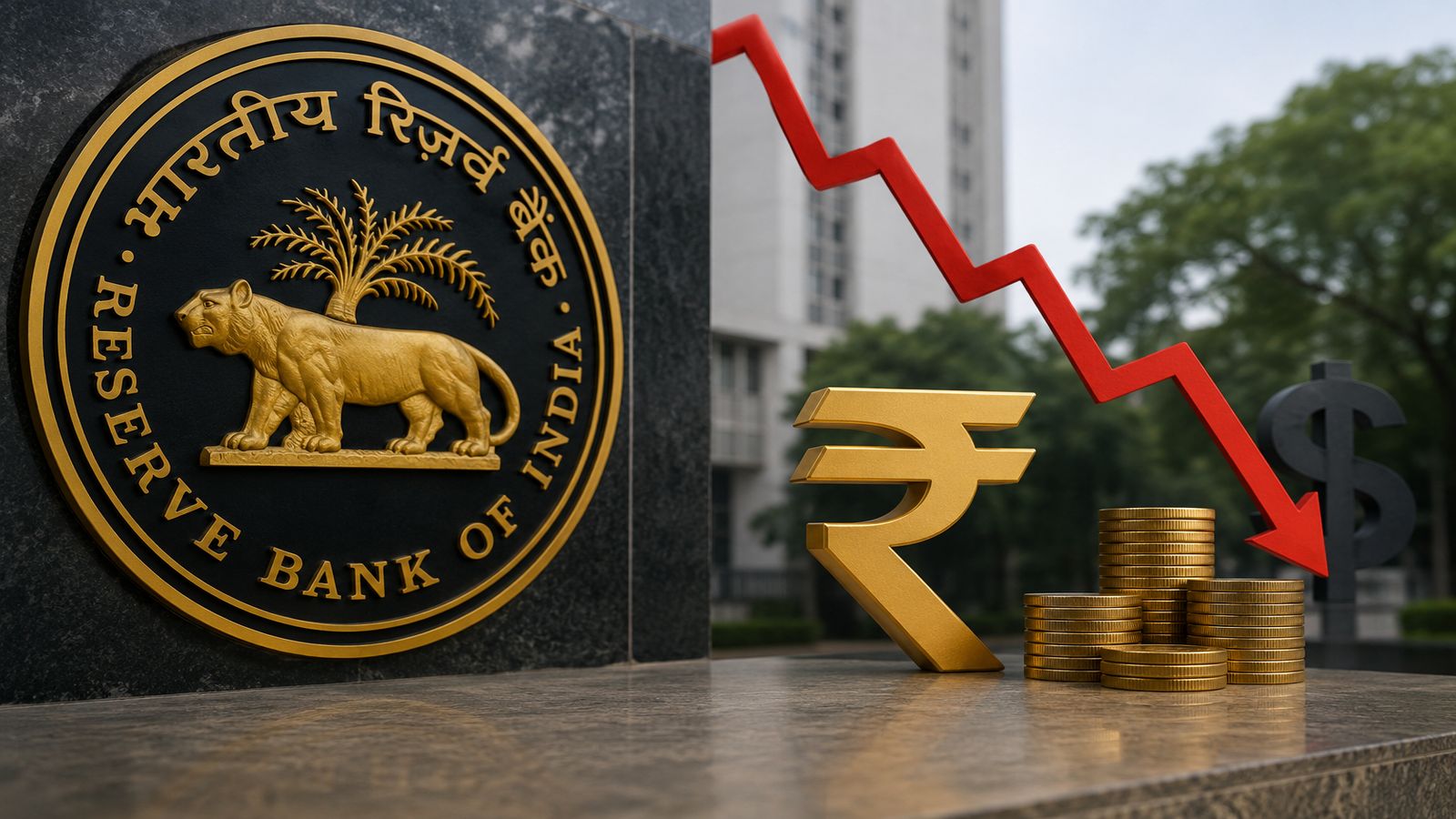
RBI drains $20 billion liquidity via FX operations: What it means for rupee, rates
Mint 1 hr ago·29 Sept 2026, 7:41 am

The Reserve Bank of India has used a mix of foreign‑exchange swaps, bond sales and reverse‑repo operations to pull roughly $20 billion of excess rupee liquidity out of the banking system. By draining this surplus, the central bank aims to tighten overall money supply.
For investors, a tighter liquidity environment can lift short‑term interest rates and add pressure on the rupee, which in turn may raise borrowing costs for corporates and affect the pricing of government and corporate bonds.
Market participants will be watching the RBI’s next policy statement, any further FX‑swap interventions, and upcoming data on inflation and fiscal outflows to gauge whether the current tightening will continue or ease.
Excerpt from Mint
The RBI has drained nearly $20 billion in excess rupee liquidity through foreign exchange operations, bond sales and reverse repos. The measures, along with tax outflows, have sharply reduced the banking system's liquidity surplus, while FX swaps have emerged as a key liquidity tool. MUMBAI, Sept 29 (Reuters) - The…Read the original at Mint
Key takeaways
- Category: Economy.
- AI reads the tone as negative (potentially bearish) for the stock.
- Flagged as a high-impact, market-moving story.
Why it matters
This is a high-impact development and could move the stock. The tone is negative — watch for downside reaction. Use the price and stock snapshot to gauge how the market is responding.