Positive impactIPO
NSE IPO: National Stock Exchange Listing, Business Model and Investor Factors
Kalkine India 10 hrs ago·18 Sept 2026, 12:18 pm
IPO Kalkine India
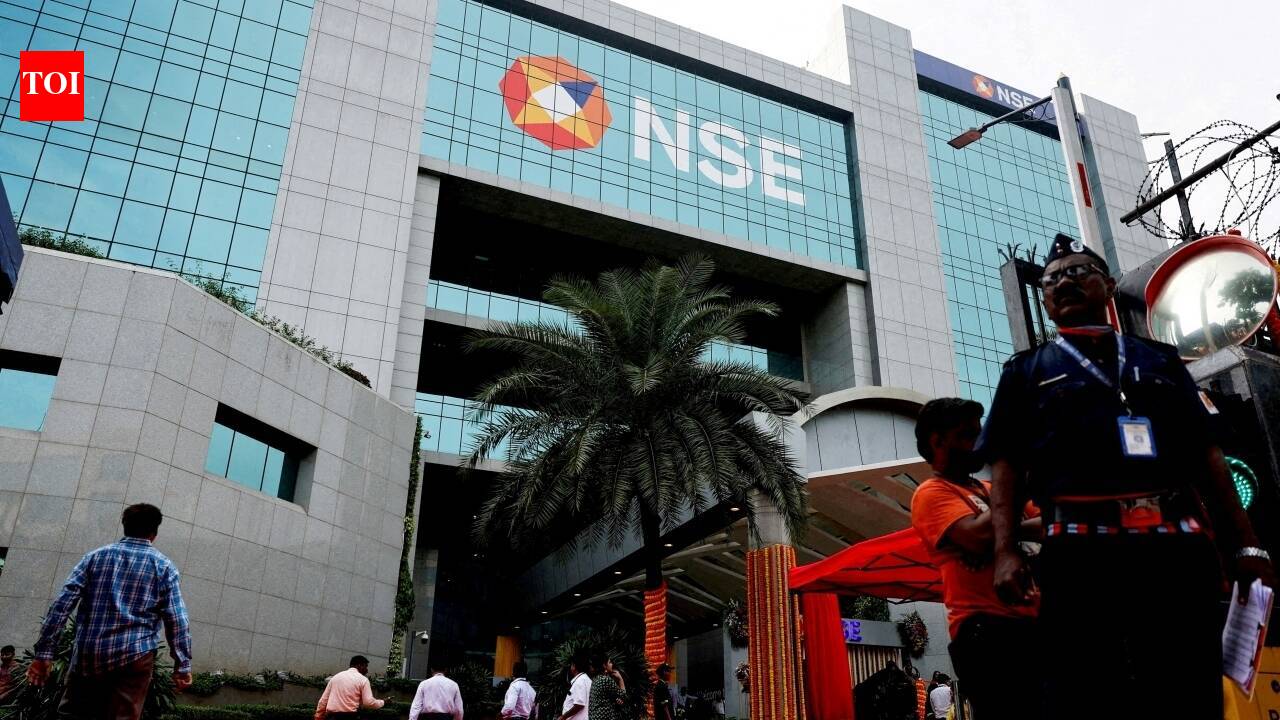
The National Stock Exchange of India (NSE) has filed to list its shares, signalling that the country’s largest equity market operator will become a publicly‑traded company. The move will see NSE’s own stock offered on its platform, giving investors a direct stake in the infrastructure that underpins Indian capital markets.
NSE’s business model centres on fees from trading activity, market‑data subscriptions and technology services for brokers and listed companies. As trading volumes rise and digital finance expands, the exchange could see steady revenue growth, making the IPO a way for retail investors to tap into that broader market trend. The listing may also influence fee structures and competition with other exchanges, such as BSE.
Investors should keep an eye on the final prospectus, the price band and subscription levels, as well as any regulatory clearances. The timing of the listing, the use of proceeds—whether for technology upgrades, debt repayment or expansion—and the overall market sentiment will be key factors to watch in the weeks ahead.
Key takeaways
- Category: IPO.
- AI reads the tone as positive (potentially bullish) for the stock.
- Assessed as a significant, market-relevant update.
Why it matters
A meaningful update worth tracking. The tone is positive — historically associated with upward pressure, though not predictive. Use the price and stock snapshot to gauge how the market is responding.