Neutral impactCorporate Action
Quote of the day by David Swensen: "The underlying driving force behind market timing decisions seems to be emotional — fear, greed, chasing performance — buying something after it has gone up, disappointment, and sales after something has declined."
Economic Times 1 hr ago·14 Sept 2026, 10:54 am
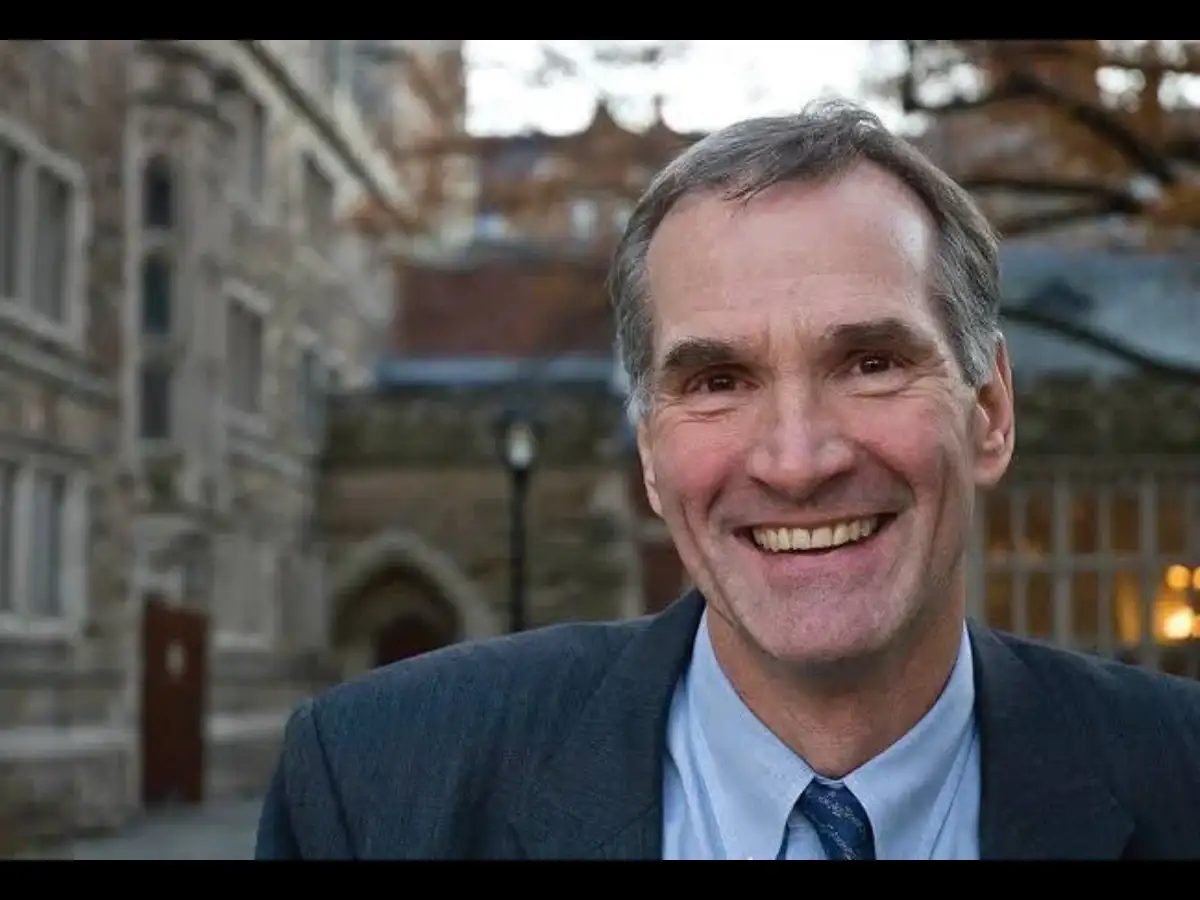
Legendary Yale Chief Investment Officer David Swensen has highlighted a fundamental challenge for investors: emotional bias. He argues that decisions to buy or sell are often driven by fear, greed, or a desire to chase recent performance, rather than sound analysis. This tendency to react to market noise can lead to poor timing and erode long-term wealth.
For retail investors, this serves as a reminder to focus on the fundamentals of their portfolio rather than short-term fluctuations. A disciplined, long-term strategy is generally more effective than trying to predict market movements. Controlling emotional reactions is often more important than trying to time the market perfectly.
Looking ahead, investors should prioritize a consistent investment plan and avoid making impulsive changes based on daily news or price swings. Staying the course with a well-researched strategy is key to navigating market volatility successfully.
Key takeaways
- Category: Corporate Action.
Why it matters
A routine update. Use the price and stock snapshot to gauge how the market is responding.