RBI Rate Hike: Impact on Rate-Sensitive Sectors, Banks, Auto
Univest 2 hrs ago·7 Oct 2026, 7:49 am

The Reserve Bank of India (RBI) has increased interest rates to curb rising inflation. This move makes borrowing more expensive for businesses and individuals, which can slow down economic growth. Consequently, sectors that rely heavily on cheap loans, such as automobiles and real estate, may see a dip in demand. Higher interest rates also mean banks must pay more to depositors, squeezing their profit margins unless they can pass on the higher costs to borrowers.
For investors, this shift signals a change in the investment landscape. The stock market often reacts negatively to rate hikes as they reduce the attractiveness of equities compared to fixed deposits. However, the impact varies across sectors. While consumption-driven stocks might face headwinds, banking stocks could benefit from improved net interest margins if the rate hike is viewed as a necessary step to stabilize the economy. Investors should monitor the central bank's future commentary to gauge the market's reaction.
Excerpt from Univest
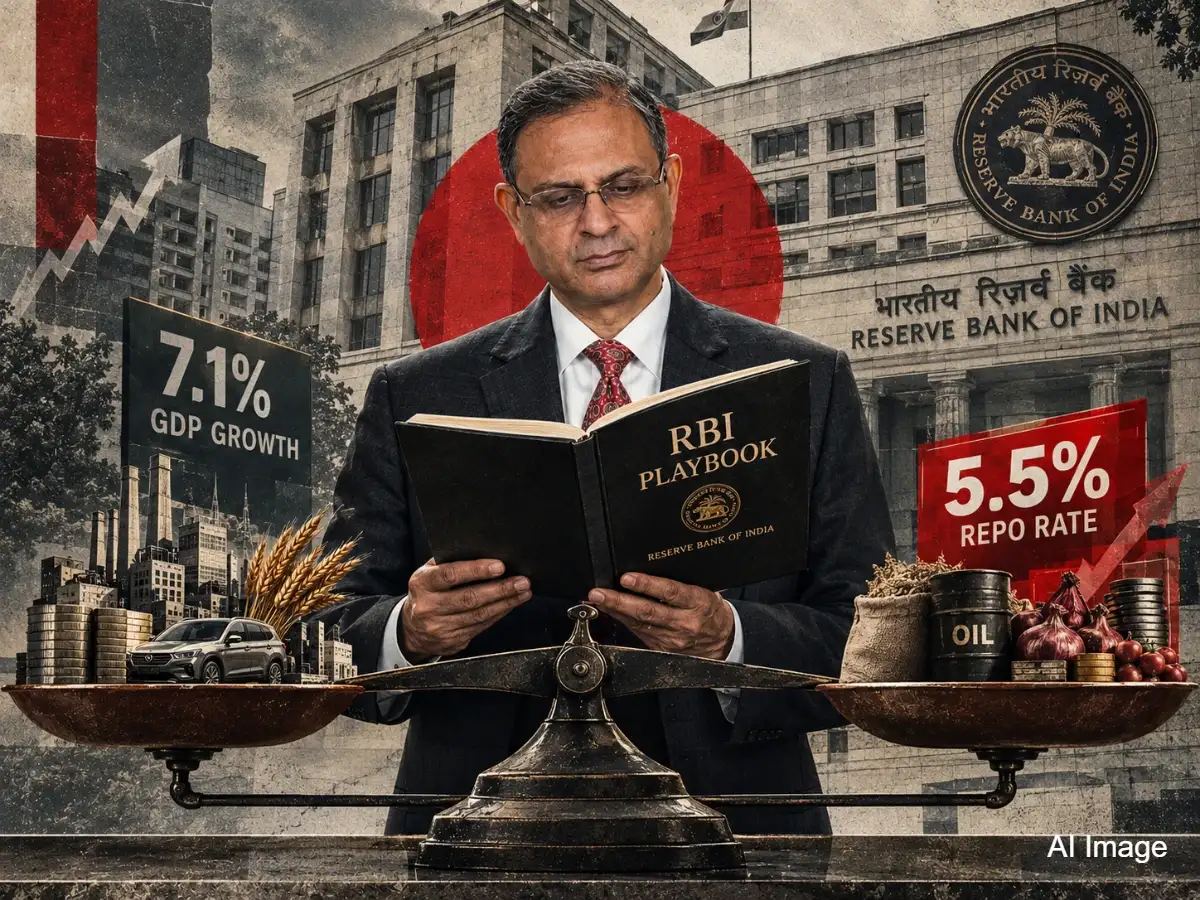
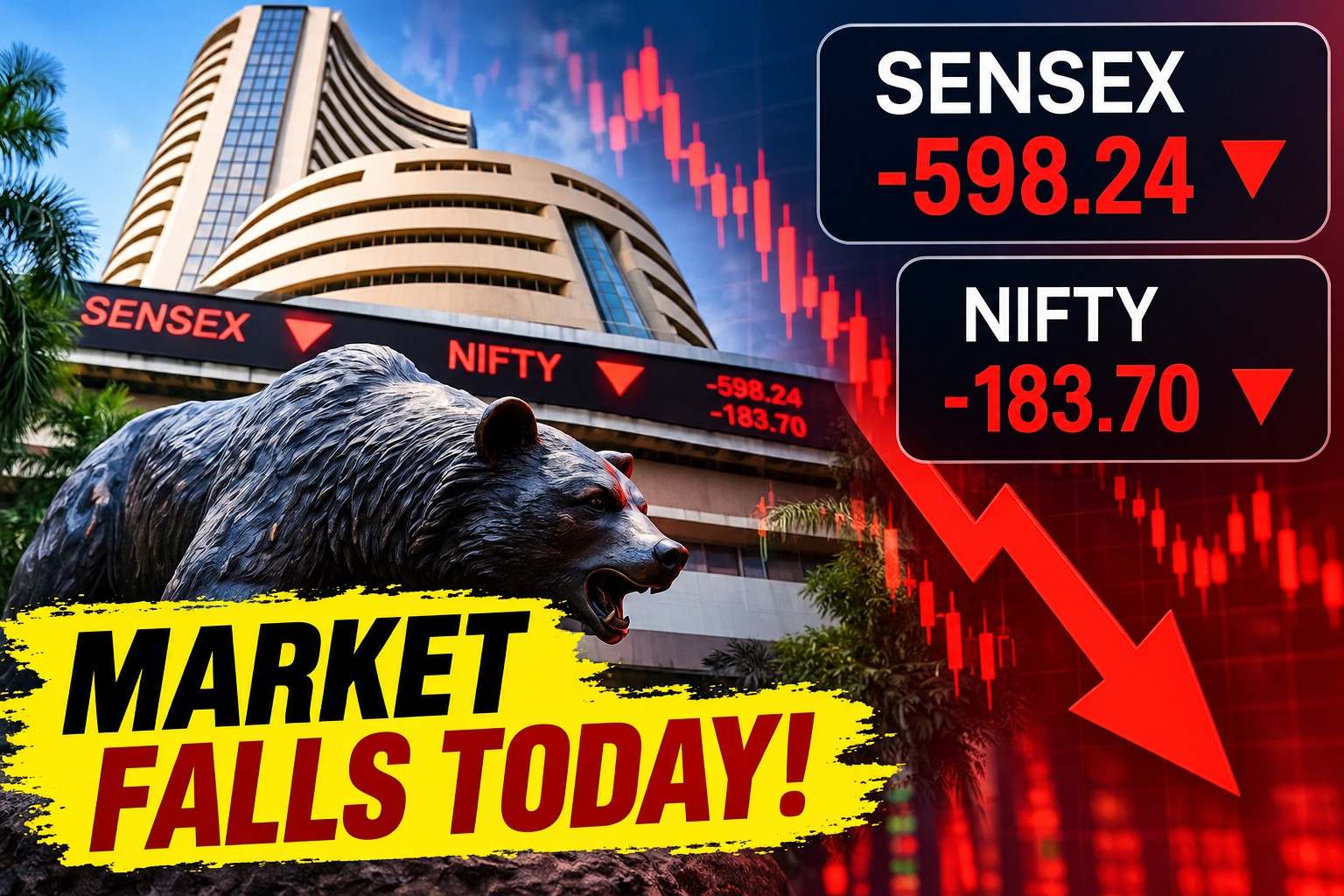
7 Oct: RBI hiked to 5.50%. Autos about -1.1%, realty about -0.6%, FMCG -0.6%; private banks +0.4%, PSU banks +0.8% after an early dip. Sensex low 72,539. Updated: 7 Oct 2026 • 12:49 pm Rate-sensitive sectors reacted unevenly to the RBI's 25 bps hike to 5.50% on 7 October: banks fell first and then recovered, with…Read the original at Univest
Key takeaways
- Category: Economy.
- AI reads the tone as negative (potentially bearish) for the stock.
- Flagged as a high-impact, market-moving story.
Why it matters
This is a high-impact development and could move the stock. The tone is negative — watch for downside reaction. Use the price and stock snapshot to gauge how the market is responding.