RBI Repo Rate Hike: Will Home Loan EMIs Rise? What Borrowers Should Know
NDTV Profit 2 hrs ago·7 Oct 2026, 5:04 am

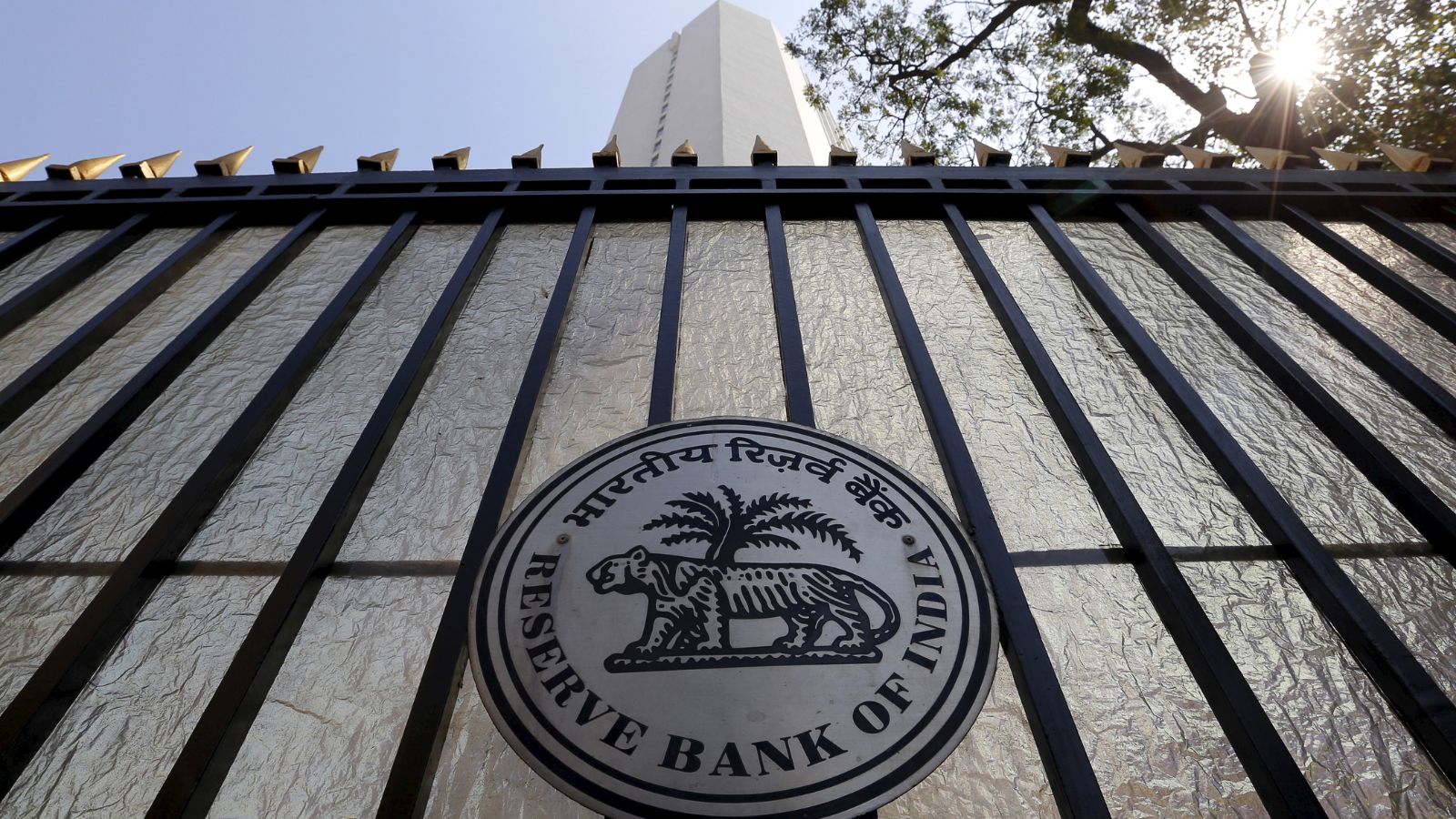
The Reserve Bank of India (RBI) has increased the repo rate, which is the rate at which it lends money to banks. This decision makes borrowing more expensive for financial institutions, who then pass these higher costs on to consumers in the form of higher interest rates. Consequently, new loans and existing variable-rate loans will become costlier to service.
For retail investors, this move signals a shift towards a tighter monetary policy aimed at controlling inflation. While it may slow down consumer spending, it also helps preserve the value of savings. Investors should monitor how this impacts the broader economy and the performance of rate-sensitive sectors like banking and real estate.
Key takeaways
- Category: Economy.
- AI reads the tone as negative (potentially bearish) for the stock.
- Flagged as a high-impact, market-moving story.
Why it matters
This is a high-impact development and could move the stock. The tone is negative — watch for downside reaction. Use the price and stock snapshot to gauge how the market is responding.