Neutral impactEconomy
RBI's 30-day VRRR operation sees muted response amid high banking liquidity surplus
Economic Times 1 hr ago·8 Sept 2026, 2:42 am
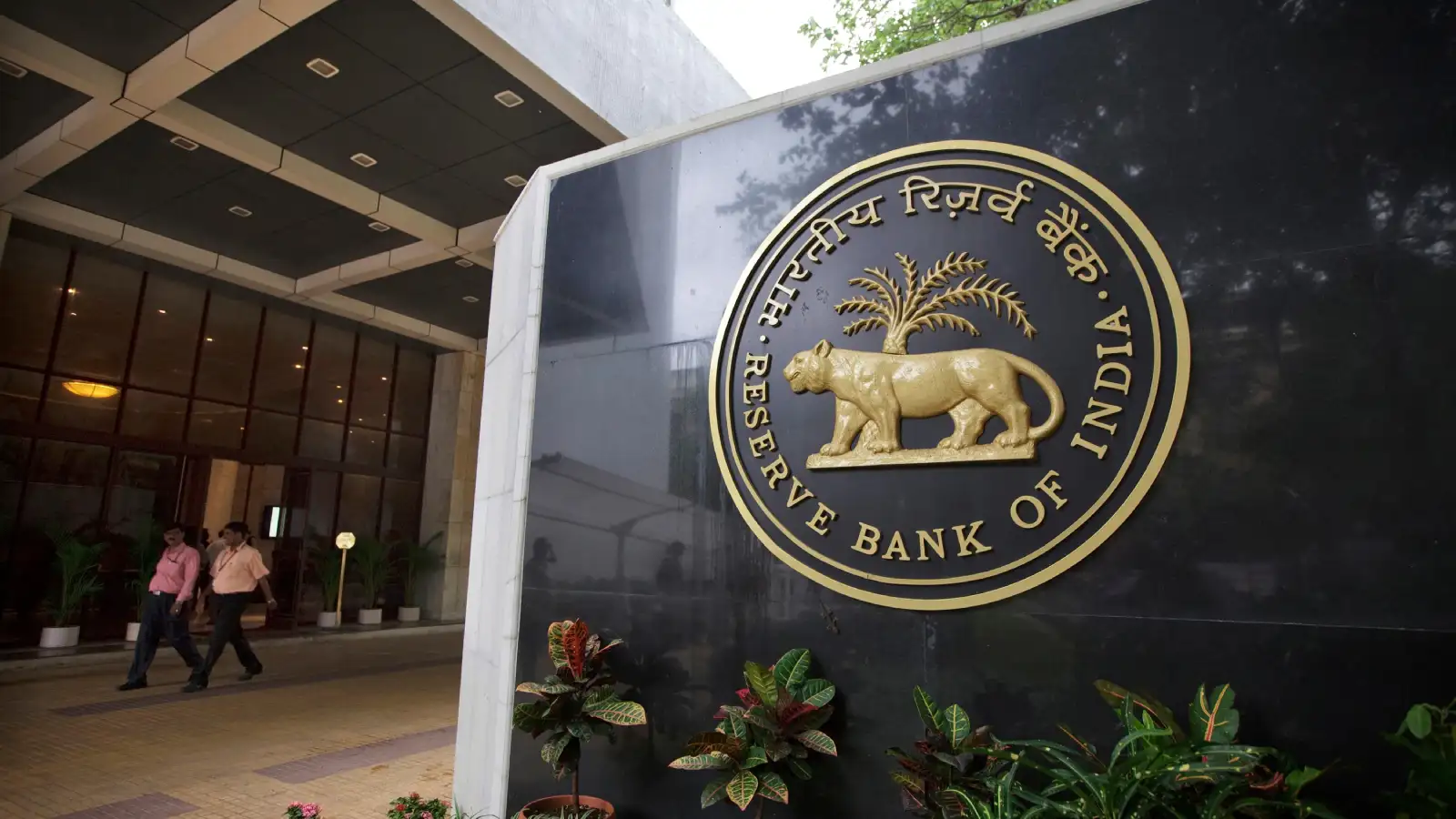
The Reserve Bank of India's latest attempt to drain excess cash from the banking system was largely unsuccessful. The central bank offered to borrow funds through a 30-day reverse repo auction, but banks showed little interest in participating. This indicates that financial institutions are currently flush with cash and prefer to keep it on their books rather than park it with the central bank at the current rate.
This situation highlights a key dynamic for investors: the banking sector is currently operating in a high-liquidity environment. For a stock like Bank of India, this means the cost of funds is low, which can improve net interest margins. However, the muted response to the auction also suggests that banks are not in a rush to lend aggressively, as they anticipate that the central bank may eventually raise interest rates to manage inflation.
Investors should watch for signs of a shift in the RBI's liquidity management strategy. If the central bank moves to an overnight auction or increases the rate offered, it could signal a tightening of monetary policy. This would likely impact the valuations of banking stocks, as higher rates could squeeze lending margins and reduce the attractiveness of holding cash reserves.
Affected stocks
Neutral1 stock
Bull / bear label is derived from the article's AI sentiment — indicative, not advice. Prices may be delayed.
Key takeaways
- Concerns Bank OF India (BANKINDIA).
- Category: Economy.
- Assessed as a significant, market-relevant update.
Why it matters
A meaningful update for Bank OF India worth tracking. Use the price and stock snapshot to gauge how the market is responding.