Positive impactForex
RBI's forex curbs lift rupee as banks reassess hedging costs
Economic Times 2 hrs ago·14 Oct 2026, 1:11 am
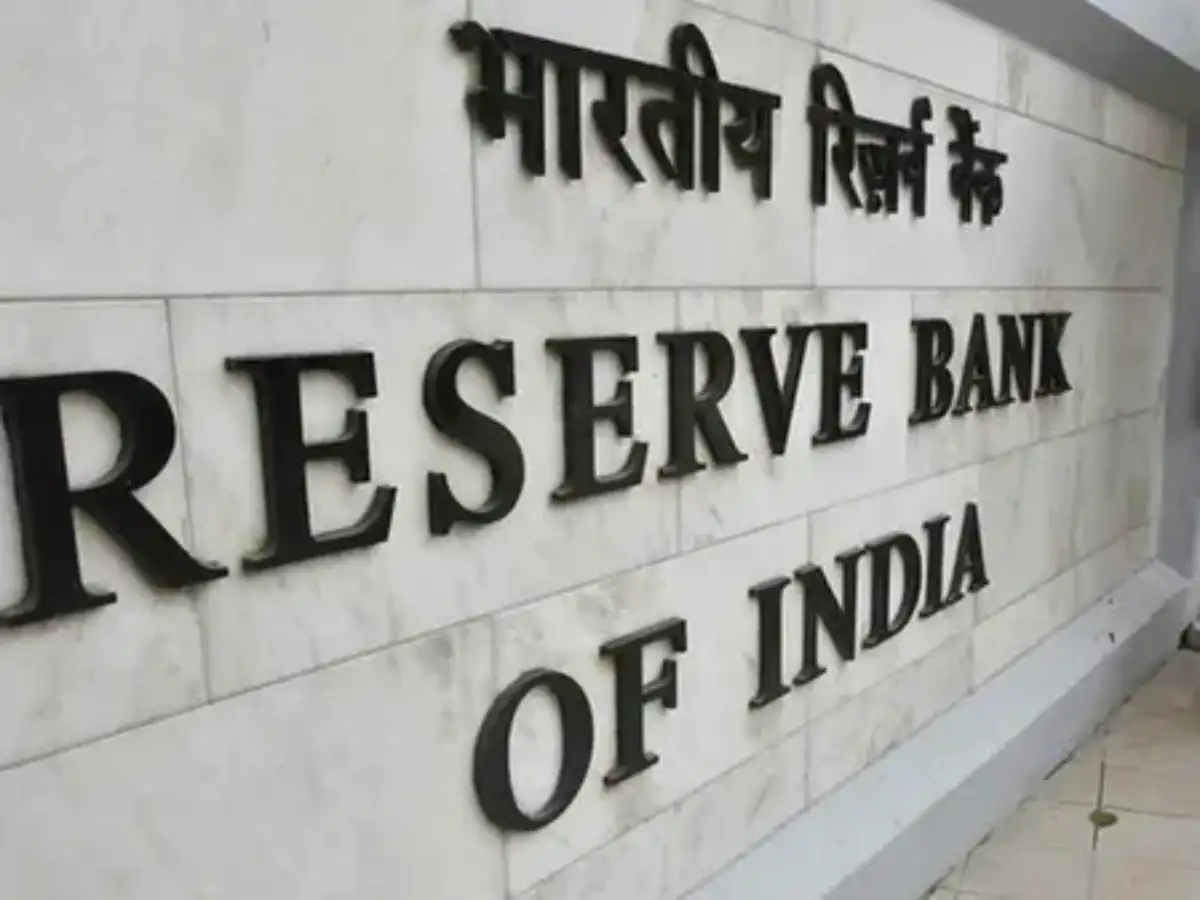
The Reserve Bank of India has tightened rules for banks regarding foreign exchange derivatives. To curb speculative trading and ensure stability, the central bank now requires banks to hold a 20% reserve against these risks. This regulatory shift has prompted major lenders to reassess their dollar hedging strategies and costs. Consequently, the Indian rupee has strengthened against the US dollar as market participants adjust to the new compliance requirements.
For investors, this move signals a proactive step by regulators to stabilize the currency market and reduce excessive volatility. While the immediate impact on banking stocks like Bank of India is a focus, the broader effect is a more controlled trading environment. Investors should monitor how these changes influence the bank's cost of capital and their ability to manage foreign exchange exposure in the coming quarters.
Excerpt from Economic Times
The Indian rupee has appreciated in value against the dollar following banks' compliance with recent currency derivative guidelines. The Reserve Bank of India has required banks to hold a 20% reserve for foreign exchange risks. This policy seeks to mitigate speculative trading practices and provide currency stability.…Read the original at Economic Times
Affected stocks
Bullish1 stock
Bull / bear label is derived from the article's AI sentiment — indicative, not advice. Prices may be delayed.
Key takeaways
- Concerns Bank of India (BANKINDIA).
- Category: Forex.
- AI reads the tone as positive (potentially bullish) for the stock.
- Assessed as a significant, market-relevant update.
Why it matters
A meaningful update for Bank of India worth tracking. The tone is positive — historically associated with upward pressure, though not predictive. Use the price and stock snapshot to gauge how the market is responding.