Negative impactForex
RBI’s sell-buy swaps slow rupee’s fall but push up forward premiums, making hedging costlier for foreign investors
Economic Times 1 hr ago·8 Oct 2026, 6:54 pm
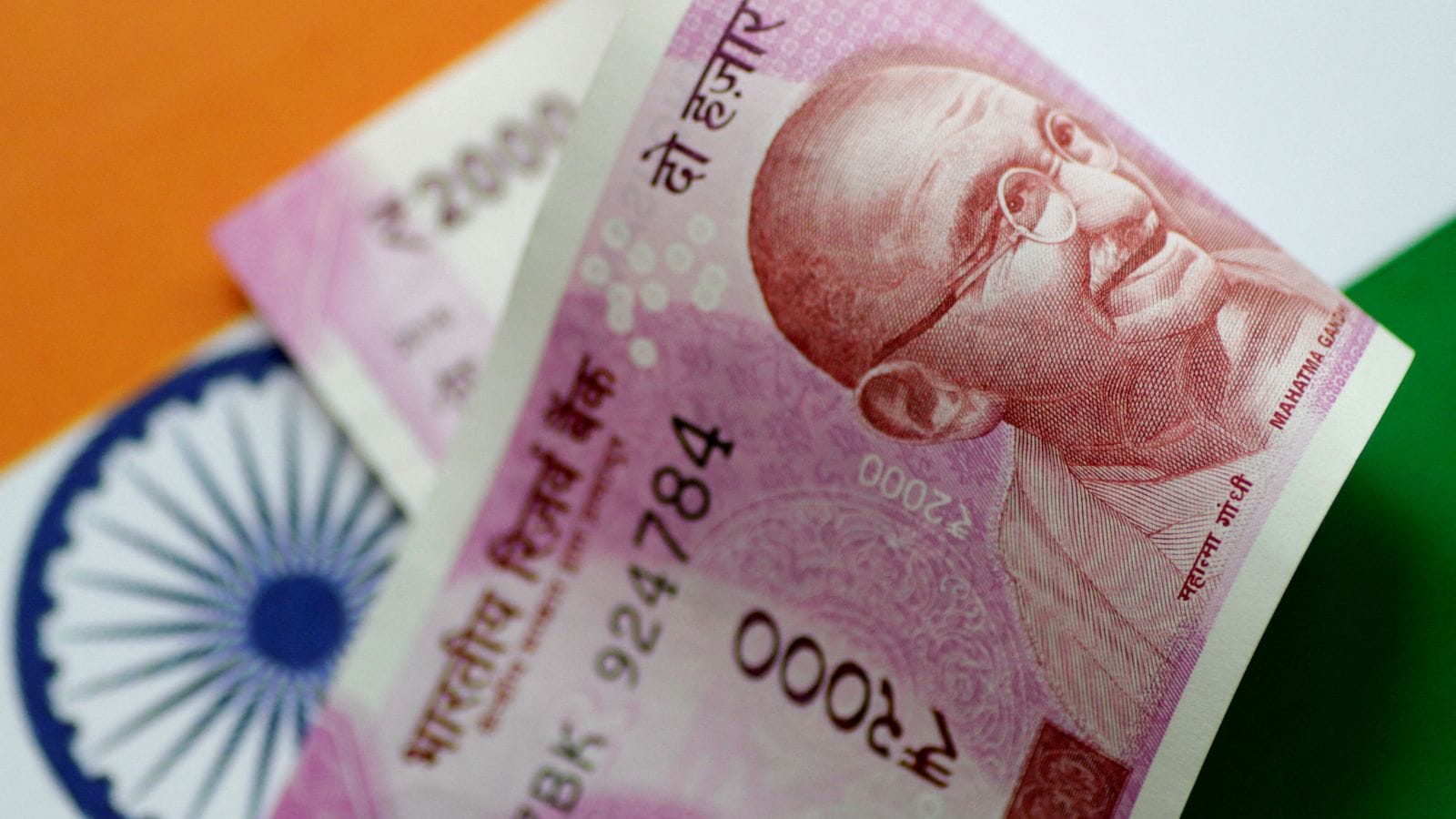
The Reserve Bank of India (RBI) is using dollar sell-buy swaps to intervene in the forex market. This tool helps stabilize the rupee by selling dollars to the market and buying them back later, which temporarily slows the currency's depreciation. However, this intervention has a side effect: it pushes up forward premiums, which are the fees charged for locking in future exchange rates.
For foreign investors, higher forward premiums mean that hedging their currency risk has become more expensive. To protect their returns, some may choose to reduce their investments in Indian assets. Meanwhile, Indian companies are taking advantage of the current situation by borrowing in rupees at lower rates and converting the funds into dollars, rather than borrowing directly in foreign currency.
Investors should monitor the RBI's intervention levels and the movement of forward premiums. A sustained rise in hedging costs could weigh on foreign portfolio inflows, while a stable rupee might encourage companies to continue their dollar-rupee borrowing strategies.
Excerpt from Economic Times
The Reserve Bank of India is engaged in dollar sell-buy swaps to stabilize the rupee's value. However, this has resulted in higher forward premiums, making it expensive for foreign investors to hedge. As a consequence, some foreign investments in rupee-denominated assets may decline. Additionally, companies are opting…Read the original at Economic Times
Affected stocks
Bearish1 stock
Bull / bear label is derived from the article's AI sentiment — indicative, not advice. Prices may be delayed.
Key takeaways
- Concerns Bank OF India (BANKINDIA).
- Category: Forex.
- AI reads the tone as negative (potentially bearish) for the stock.
- Assessed as a significant, market-relevant update.
Why it matters
A meaningful update for Bank OF India worth tracking. The tone is negative — watch for downside reaction. Use the price and stock snapshot to gauge how the market is responding.