RBI turns hawkish; what does it mean fixed-income investors? Experts decode
Business Standard 1 hr ago·7 Oct 2026, 6:11 am

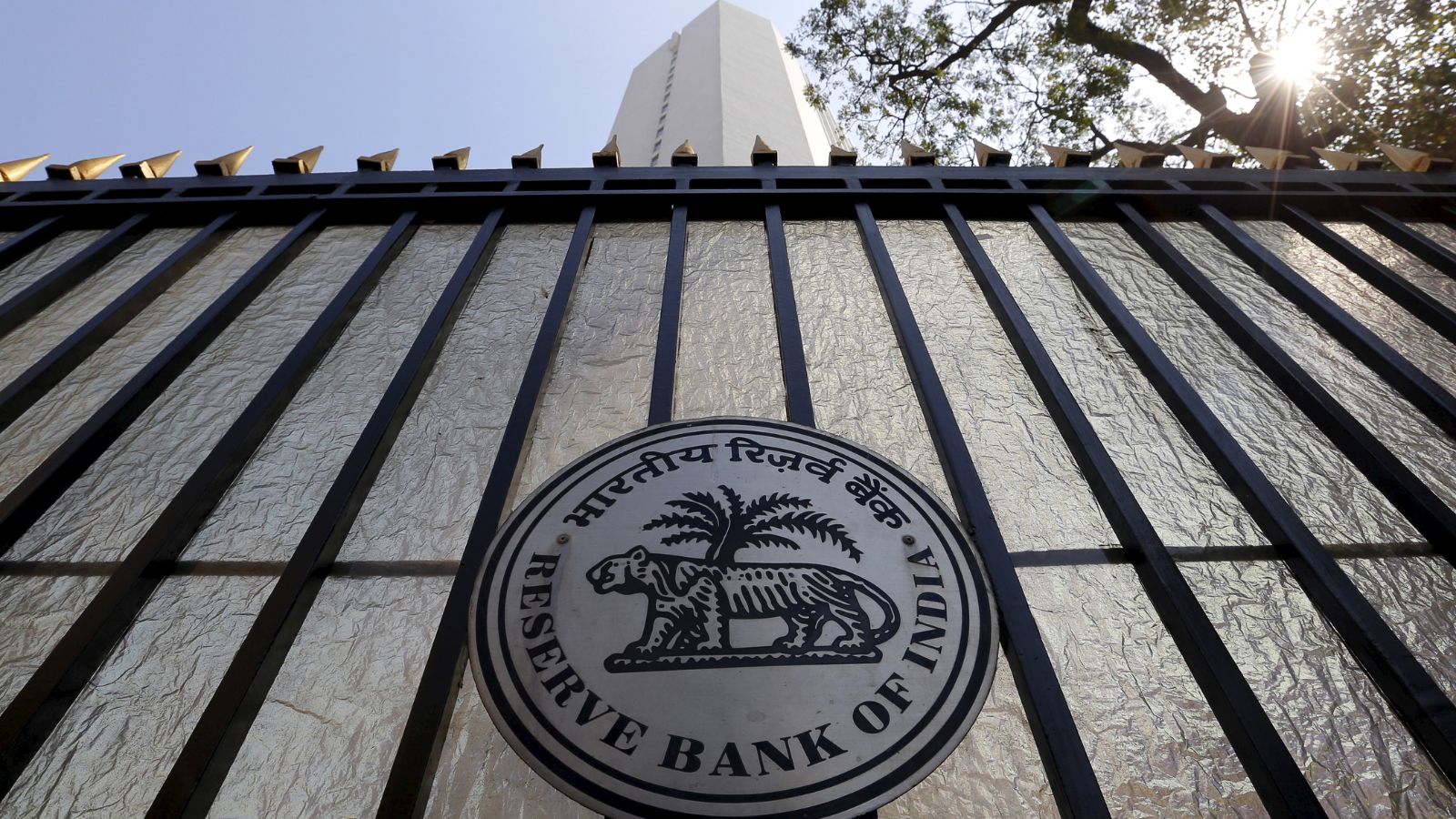
The Reserve Bank of India (RBI) has raised its key lending rate by 25 basis points, signaling a more hawkish stance. This move, decided by the Monetary Policy Committee, signals the central bank's intent to curb inflation and maintain price stability. Consequently, borrowing costs for banks and financial institutions are expected to increase, which typically leads to higher interest rates for retail loans.
For fixed-income investors, this development is significant as it directly impacts the yields on fixed deposits and bonds. A higher repo rate generally leads to higher bond yields, which can improve the attractiveness of fixed-income instruments. However, existing bond prices may see some pressure. Investors should review their portfolio's interest-rate sensitivity and consider the impact on their overall returns.
Moving forward, investors should watch the central bank's future commentary for clues on the duration of this tightening cycle. It is also important to monitor the government's borrowing program and the movement in inflation data. These factors will play a crucial role in determining the future trajectory of interest rates and the performance of the fixed-income market.
Key takeaways
- Category: Economy.
- AI reads the tone as negative (potentially bearish) for the stock.
- Flagged as a high-impact, market-moving story.
Why it matters
This is a high-impact development and could move the stock. The tone is negative — watch for downside reaction. Use the price and stock snapshot to gauge how the market is responding.