Neutral impactEconomy
RBI uses currency swaps to cut $115 billion cash surplus
Economic Times 1 hr ago·9 Sept 2026, 12:50 pm
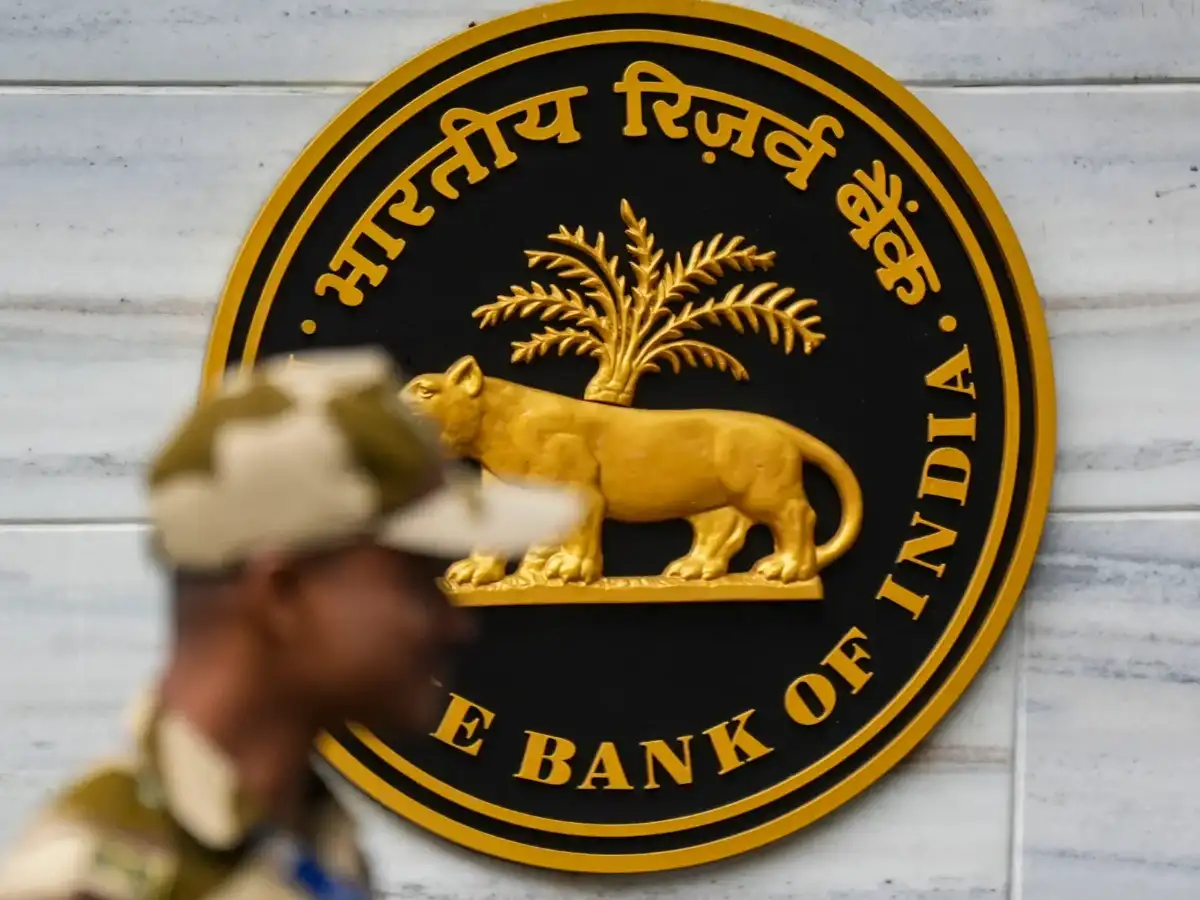
The Reserve Bank of India is taking steps to drain excess cash from the banking system. To do this, the central bank is conducting currency swaps, which involves selling dollars for rupees. This action is necessary because banks currently hold a record amount of surplus funds, sitting at over 11 trillion rupees. By absorbing this liquidity, the RBI aims to prevent the money supply from growing too quickly.
This move is significant for investors as it helps manage inflation risks. When there is too much cash in the system, it can lead to cheaper borrowing costs, which may eventually drive up prices. By tightening liquidity, the RBI is trying to keep inflation in check. For Bank India, this environment of tighter liquidity could impact its ability to lend and earn interest, making it a key factor to monitor.
Excerpt from Economic Times
India's central bank is draining excess cash from banks using currency swaps. This action follows record high funds in the financial system. The Reserve Bank of India sells dollars for rupees, reducing rupee liquidity. Massive inflows had previously pushed surplus funds to 11 trillion rupees. These measures aim to…Read the original at Economic Times
Affected stocks
Neutral1 stock
Bull / bear label is derived from the article's AI sentiment — indicative, not advice. Prices may be delayed.
Key takeaways
- Concerns Bank OF India (BANKINDIA).
- Category: Economy.
- Assessed as a significant, market-relevant update.
Why it matters
A meaningful update for Bank OF India worth tracking. Use the price and stock snapshot to gauge how the market is responding.