Rupee hovers near 96 as oil stays above $100 per barrel, foreign selling persists
Times of India 1 hr ago·5 Oct 2026, 5:15 am
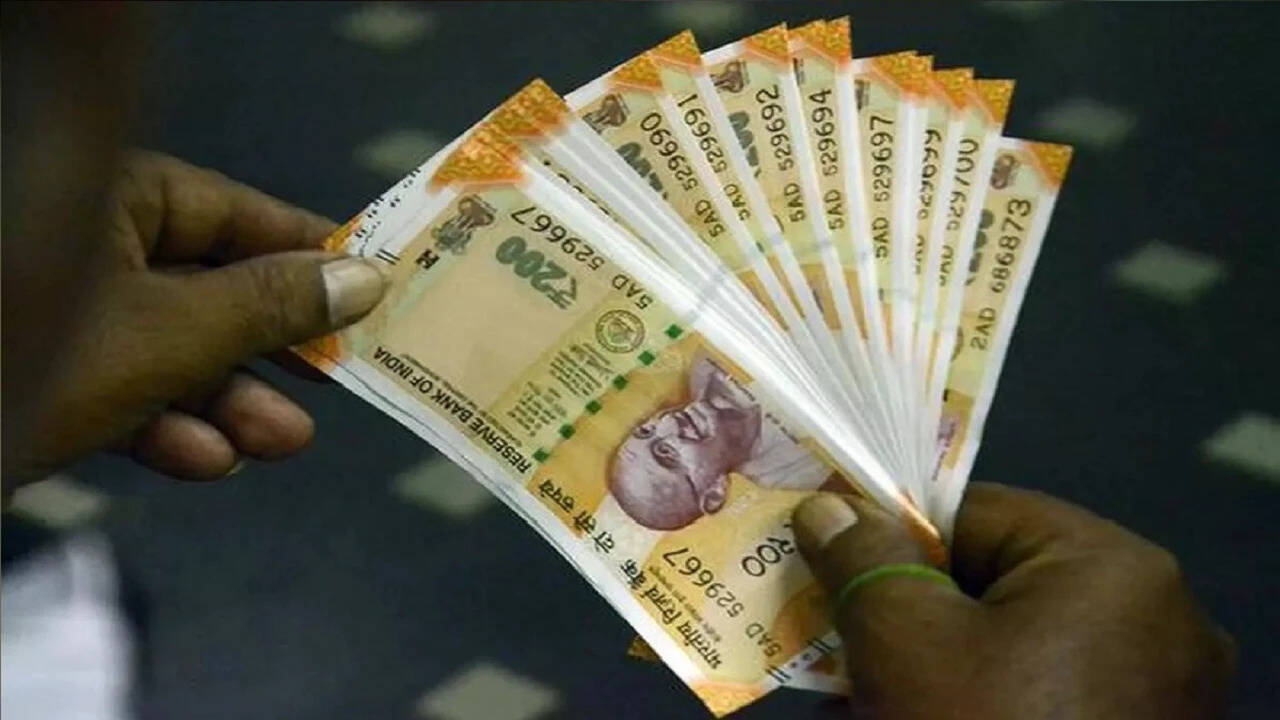
The Indian rupee is trading near the 96 mark against the US dollar, a level that reflects the ongoing pressure from high global oil prices and sustained selling by foreign investors. This dual pressure on the currency is making it more expensive for the country to import energy, which in turn impacts the broader financial system. As the rupee weakens, the value of foreign currency assets held by banks and financial institutions tends to decline, creating a direct headwind for their balance sheets.
For a bank like Bank of India, a depreciating rupee can squeeze profit margins. This is because a portion of their liabilities is often denominated in foreign currency, while their income is primarily generated in rupees. As the rupee falls, the cost of servicing these foreign liabilities rises, potentially reducing net interest margins. Consequently, investors are closely watching the Reserve Bank of India's actions to manage volatility and the central bank's upcoming policy decision, which could signal future interest rate moves.
Affected stocks
Bearish1 stock
Bull / bear label is derived from the article's AI sentiment — indicative, not advice. Prices may be delayed.
Key takeaways
- Concerns Bank of India (BANKINDIA).
- Category: Forex.
- AI reads the tone as negative (potentially bearish) for the stock.
- Flagged as a high-impact, market-moving story.
Why it matters
This is a high-impact development for Bank of India and could move the stock. The tone is negative — watch for downside reaction. Use the price and stock snapshot to gauge how the market is responding.