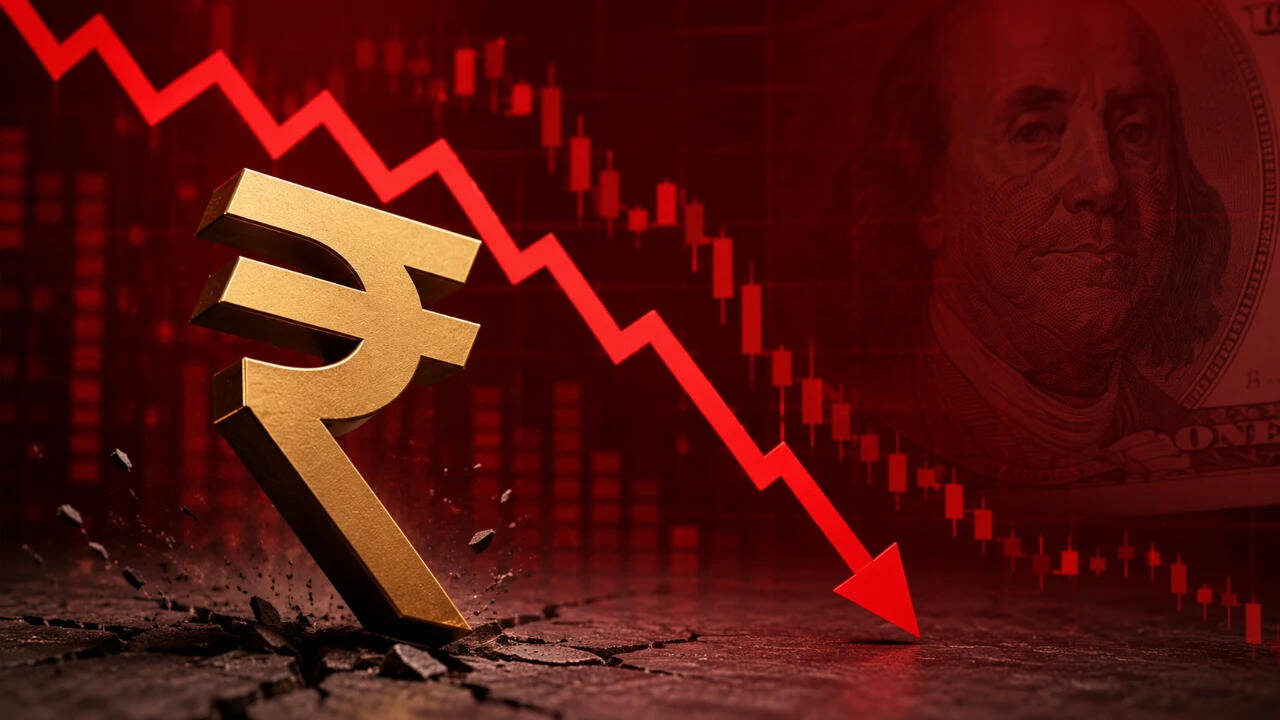
Rupee lingers around bottom of Asia FX pile as global headwinds deepen
Economic Times 1 hr ago·30 Sept 2026, 10:35 am

The Indian rupee has weakened against the US dollar, trading near the bottom of its performance among major Asian currencies. This decline is largely driven by higher global crude oil prices and rising interest rates in other countries, which makes the dollar more attractive to investors.
For investors in Bank of India, this currency movement is significant. A weaker rupee can boost the bank's foreign earnings when converted back into local currency, potentially improving its profit margins. However, it also increases the cost of servicing foreign currency debts.
Going forward, the Reserve Bank of India's intervention and the upcoming monetary policy decision will be key factors to watch. These events could determine if the rupee finds stability or continues its downward trend.
Excerpt from Economic Times
The Indian rupee has experienced a decline impacted by elevated crude prices and increasing global bond yields. During the last quarter, the currency fell 1.2%, and monthly losses reached 0.7%. Despite the downturn, the Reserve Bank of India managed to stabilize the rupee through interventions and support measures.…Read the original at Economic Times
Affected stocks
Bearish1 stock
Bull / bear label is derived from the article's AI sentiment — indicative, not advice. Prices may be delayed.
Key takeaways
- Concerns Bank of India (BANKINDIA).
- Category: Forex.
- AI reads the tone as negative (potentially bearish) for the stock.
- Flagged as a high-impact, market-moving story.
Why it matters
This is a high-impact development for Bank of India and could move the stock. The tone is negative — watch for downside reaction. Use the price and stock snapshot to gauge how the market is responding.