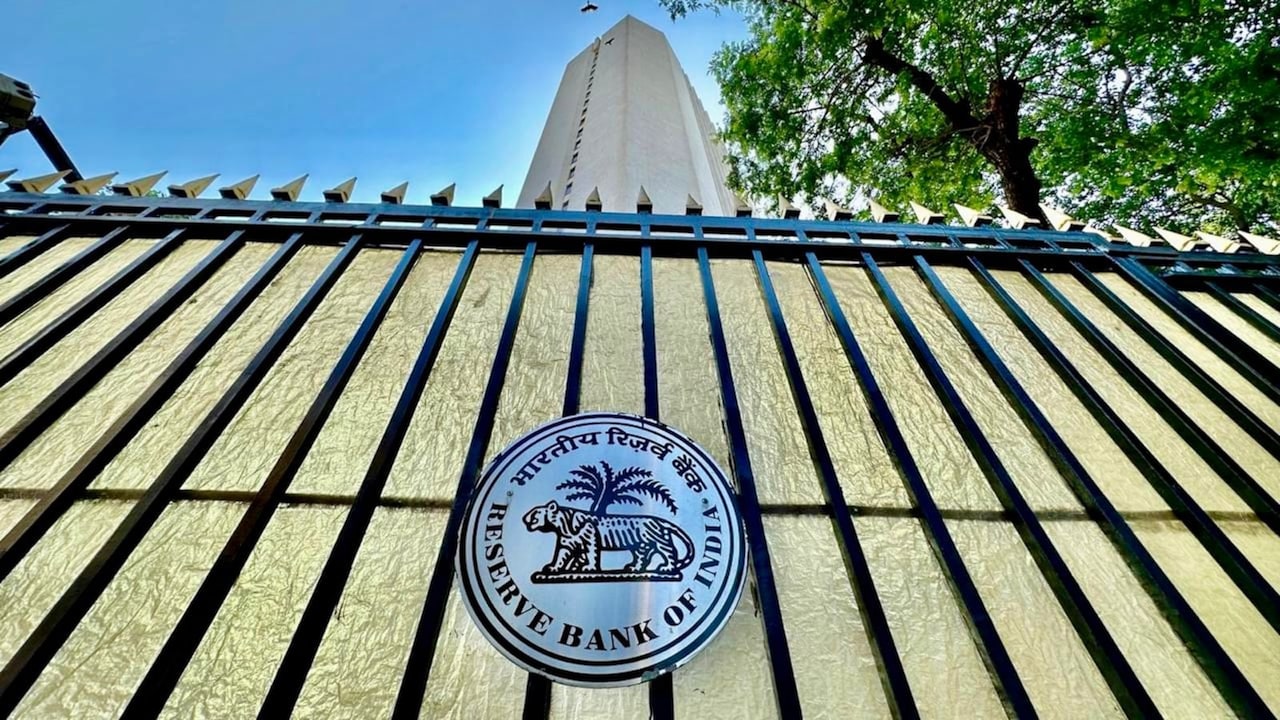
Rupee relief, higher hedging costs: What RBI’s new forex rules mean
Times of India 2 hrs ago·11 Oct 2026, 3:31 pm

The Reserve Bank of India has rolled out tighter rules on foreign‑exchange derivatives and raised reserve requirements for banks, aiming to curb rupee weakness against the dollar. The measures are intended to limit speculative trading and provide a buffer that can help stabilise the currency.
For investors, the changes matter because banks such as Bank of India will need to set aside more capital for their forex positions, which could trim profit margins from derivative trading. A steadier rupee may also reduce cost pressures on borrowers with dollar‑linked loans and benefit companies that import commodities.
Going forward, watch how quickly banks adjust their hedging books, any further guidance from the RBI, and external drivers like crude‑oil prices or global dollar trends that could still sway the rupee’s direction.
Affected stocks
Bullish1 stock
Bull / bear label is derived from the article's AI sentiment — indicative, not advice. Prices may be delayed.
Key takeaways
- Concerns Bank of India (BANKINDIA).
- Category: Forex.
- AI reads the tone as positive (potentially bullish) for the stock.
- Flagged as a high-impact, market-moving story.
Why it matters
This is a high-impact development for Bank of India and could move the stock. The tone is positive — historically associated with upward pressure, though not predictive. Use the price and stock snapshot to gauge how the market is responding.