Rupee weakens to 95.44 against dollar amid rising import bill and crude oil prices
Economic Times 1 hr ago·10 Sept 2026, 1:05 pm
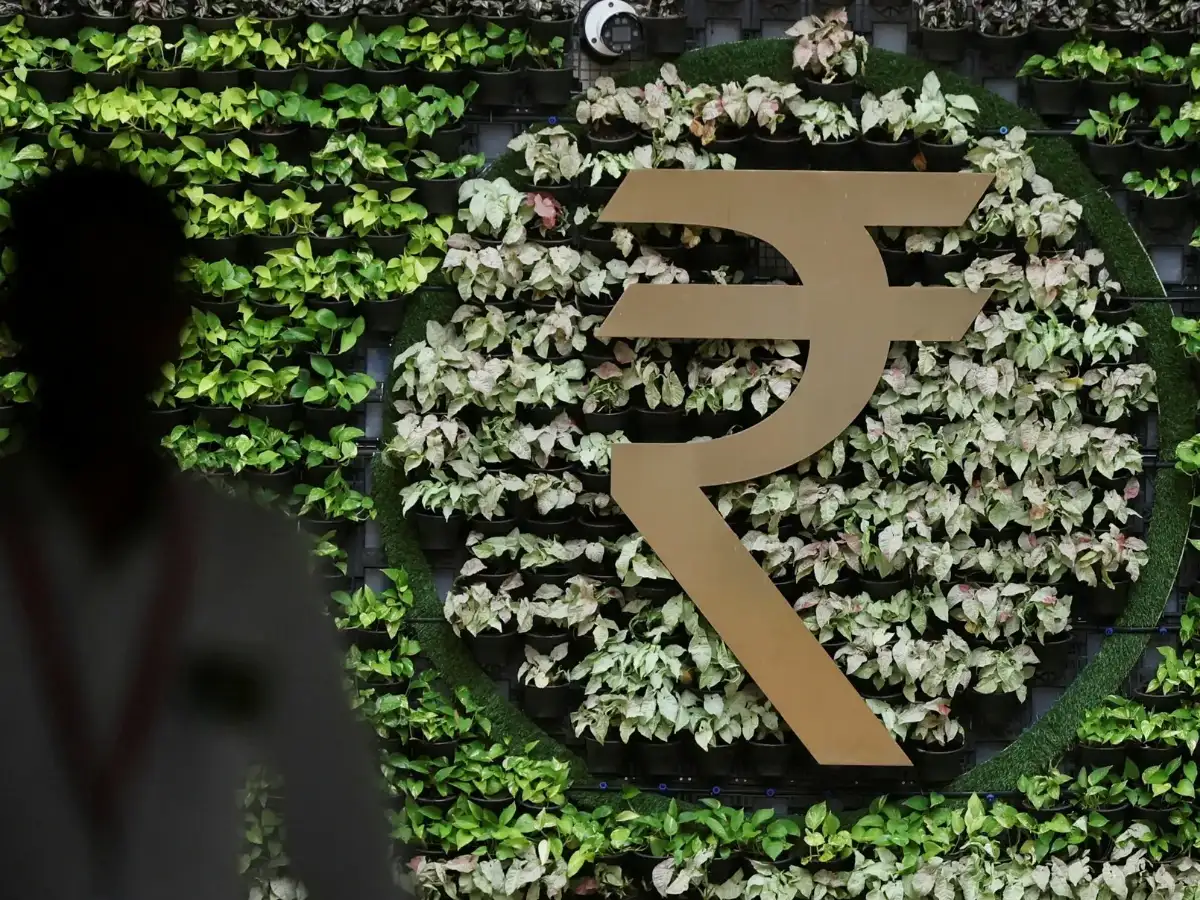
The Indian rupee has weakened to 95.44 against the US dollar, marking a third consecutive day of decline. This drop is largely driven by higher global crude oil prices, which increase India's import bill, and sustained foreign equity outflows from domestic markets. To stabilize the currency, the Reserve Bank of India has stepped in by selling dollars in the spot market and conducting liquidity-absorbing swap operations.
For investors, a weaker rupee can impact the bottom line of companies that rely heavily on imported raw materials. Bank of India, being a major public sector lender, may see its foreign exchange earnings rise as it converts dollar-denominated assets into rupees. However, the bank also faces the risk of higher costs if it needs to borrow foreign currency to fund its operations.
Excerpt from Economic Times
The Indian rupee declined further against the US dollar today. Rising Brent crude oil prices and foreign equity outflows pressured the local currency. This marks the third consecutive day of significant depreciation for the rupee. The Reserve Bank of India intervened by conducting dollar-rupee sell-buy swaps. These…Read the original at Economic Times
Affected stocks
Bearish1 stock
Bull / bear label is derived from the article's AI sentiment — indicative, not advice. Prices may be delayed.
Key takeaways
- Concerns Bank OF India (BANKINDIA).
- Category: Forex.
- AI reads the tone as negative (potentially bearish) for the stock.
- Flagged as a high-impact, market-moving story.
Why it matters
This is a high-impact development for Bank OF India and could move the stock. The tone is negative — watch for downside reaction. Use the price and stock snapshot to gauge how the market is responding.