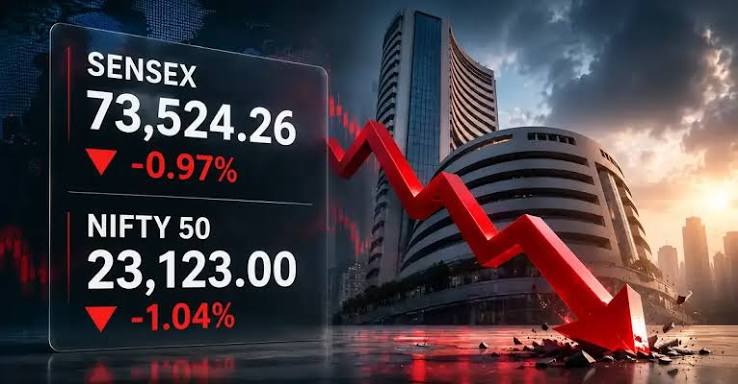
Sensex hits 52-week low: Why India's market rout is deepening
NewsBytes 12 hrs ago·2 Oct 2026, 10:35 am
Stocks NewsBytes
The Sensex slipped to its lowest point in the past 52 weeks, extending a market sell‑off that has been building over recent weeks. The decline was sparked by a mix of factors, including worries over higher borrowing costs, weaker domestic growth data and a cautious tone from global markets that has dampened risk appetite.
For retail investors, the slide means a noticeable dip in the value of equity holdings and heightened volatility, especially for those with exposure to large‑cap stocks that drive the index. A broader rout can also affect sentiment, prompting investors to reassess portfolio risk and liquidity needs.
Going forward, market participants will be watching the Reserve Bank of India’s policy stance, upcoming corporate earnings reports and key macro data such as inflation and GDP growth. Global cues, particularly any shifts in US monetary policy or commodity prices, could also shape the next move of the Sensex.
Key takeaways
- Category: Stocks.
- AI reads the tone as negative (potentially bearish) for the stock.
- Flagged as a high-impact, market-moving story.
Why it matters
This is a high-impact development and could move the stock. The tone is negative — watch for downside reaction. Use the price and stock snapshot to gauge how the market is responding.