Negative impactCommodity
Sustaining E20 in ESY2026-27: India’s ethanol challenge is now about economics, not volume
BusinessLine 1 hr ago·19 Sept 2026, 3:47 am

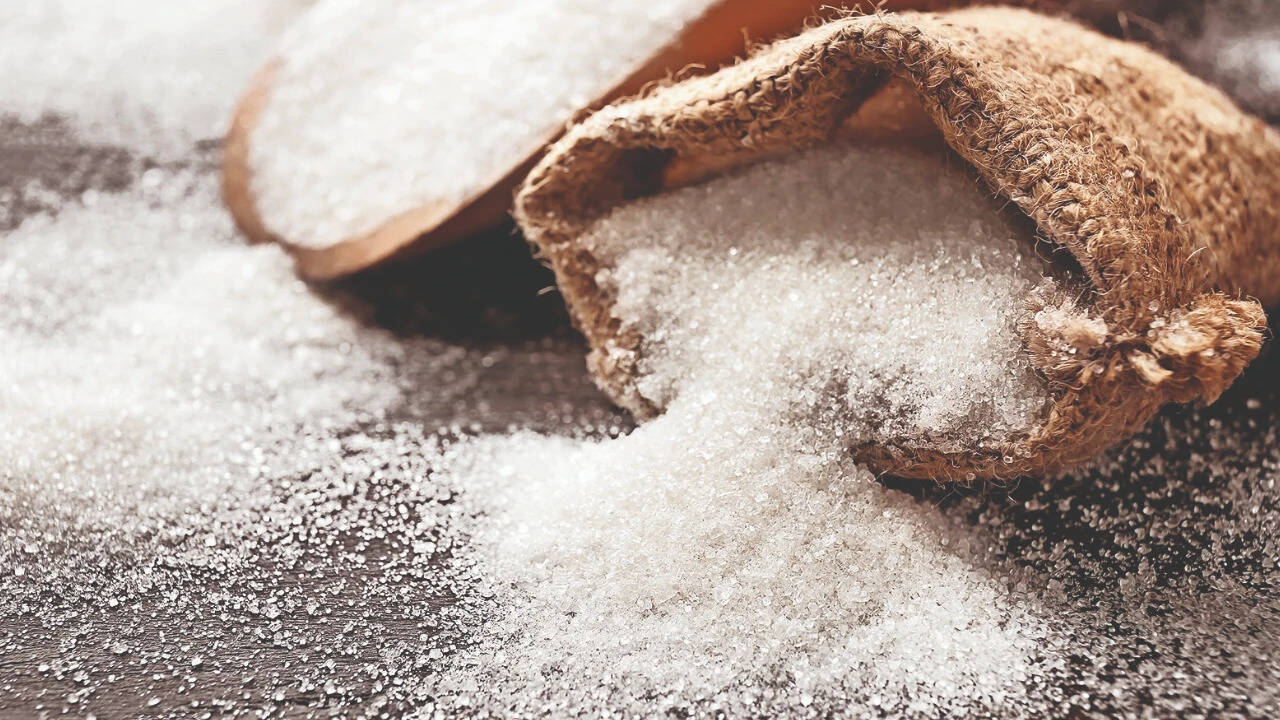
The government’s latest fuel policy has pushed the ethanol blend in gasoline up to 20 percent for the 2026‑27 fiscal year, marking the first time the target has been met. Reaching E20 required a surge in ethanol output, but analysts say the real test now lies in keeping the blend economically viable rather than simply hitting volume targets.
For investors, the shift matters because ethanol production ties together sugarcane growers, oil refiners and the broader energy market. Higher blending ratios can raise feed‑stock costs and affect refinery margins, while any slowdown in supply could trigger policy tweaks or subsidies. Keep an eye on government announcements about price support, the cost of molasses or corn as feedstock, and the capacity upgrades that oil companies are undertaking to process more ethanol.
Excerpt from BusinessLine
India has reached the 20 per cent ethanol-blending milestone. That is a major achievement. But reaching E20 and sustaining E20 are two different challenges. As India enters ESY 2026–27, the important question is not simply whether the country has enough distillery capacity. The bigger question is whether that capacity…Read the original at BusinessLine
Key takeaways
- Category: Commodity.
- AI reads the tone as negative (potentially bearish) for the stock.
- Assessed as a significant, market-relevant update.
Why it matters
A meaningful update worth tracking. The tone is negative — watch for downside reaction. Use the price and stock snapshot to gauge how the market is responding.