Neutral impactEconomy
When Will Monsoon End In Mumbai? IMD Withdrawal Date, October Heat And India’s Rainfall Outlook
NDTV Profit 3 hrs ago·3 Oct 2026, 6:15 am
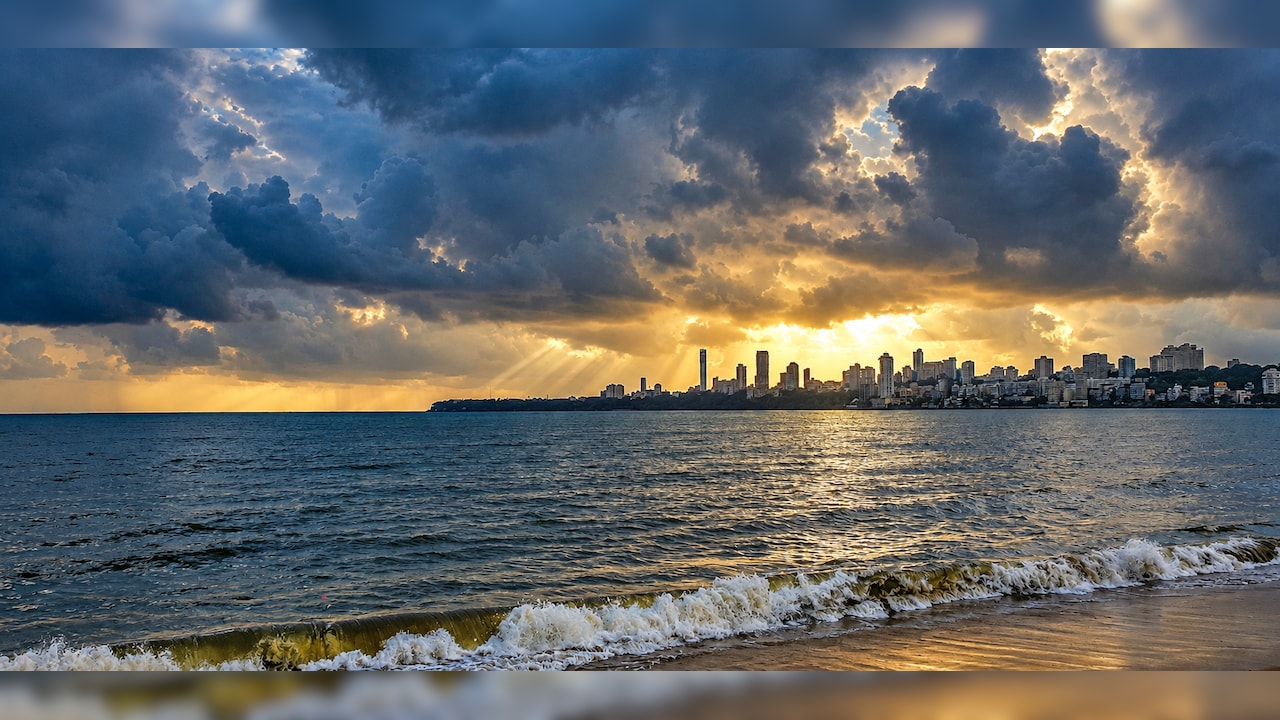
The Indian Meteorological Department (IMD) has officially announced the withdrawal of the southwest monsoon from Mumbai, marking the end of the city's rainy season. This local event is part of a larger, nationwide process where the monsoon typically retreats from northwest India to the west coast by late September. Following this, the system moves towards the northeast and eventually exits the country by early October, signaling the arrival of the dry, winter season.
For investors, this shift is significant as it marks the transition from the monsoon-driven agricultural cycle to the post-monsoon period. While the immediate impact on Mumbai-specific stocks is limited, the broader market watches for updates on India's overall rainfall deficit. A normal or above-normal rainfall during the monsoon is crucial for the agricultural sector, which drives rural demand and influences the performance of FMCG and auto stocks. Investors should monitor the IMD's monthly rainfall outlook to gauge the health of the economy in the coming months.
Looking ahead, the focus will shift to the post-monsoon weather patterns, including the onset of the Northeast Monsoon and the formation of cyclonic storms in the Bay of Bengal. These weather events can disrupt supply chains and impact commodity prices. Traders should also keep an eye on government data regarding agricultural output and inflation trends, as these factors will likely influence market sentiment in the coming weeks.
Key takeaways
- Category: Economy.
Why it matters
A routine update. Use the price and stock snapshot to gauge how the market is responding.