India's forex reserves fall $12.95 billion to $734.60 billion in week ended October 2
Economic Times 1 hr ago·9 Oct 2026, 11:40 am
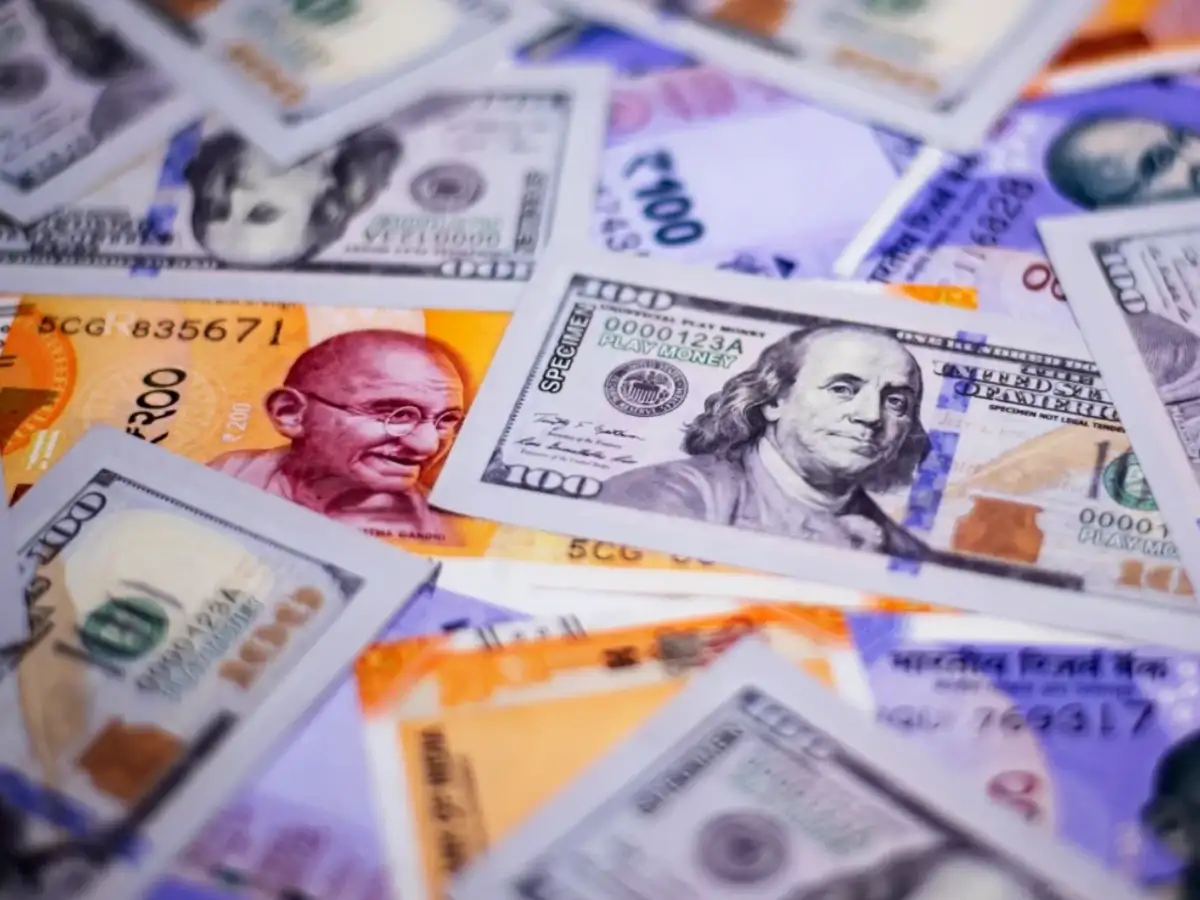
India's foreign exchange reserves have declined by $12.95 billion to $734.60 billion as of October 2. This drop was driven by a reduction in foreign currency assets and gold reserves. The fall follows a previous week's decrease of $18.34 billion, indicating a consistent downward trend in the country's external liquidity buffers.
For investors, a reduction in forex reserves is generally viewed as a signal that the central bank is intervening in the market to support the rupee. This intervention can help stabilize currency volatility but also depletes the country's buffer against external shocks. While a healthy reserve level is a sign of economic strength, a sharp and sustained fall can raise concerns about capital outflows and external debt management.
Investors should watch for the pace of these outflows and the RBI's response in the coming weeks. Monitoring the rupee's movement against the US dollar will also provide key insights into the pressure on the country's external accounts.
Excerpt from Economic Times
India's foreign exchange reserves have dropped by $12.95 billion to $734.60 billion as of October 2. This decline was influenced by a reduction in foreign currency assets and gold reserves. The previous week, reserves had already decreased by $18.34 billion, falling to $747.56 billion. The Reserve Bank of India…Read the original at Economic Times
Affected stocks
Bearish1 stock
Bull / bear label is derived from the article's AI sentiment — indicative, not advice. Prices may be delayed.
Key takeaways
- Concerns Bank of India (BANKINDIA).
- Category: Economy.
- AI reads the tone as negative (potentially bearish) for the stock.
- Flagged as a high-impact, market-moving story.
Why it matters
This is a high-impact development for Bank of India and could move the stock. The tone is negative — watch for downside reaction. Use the price and stock snapshot to gauge how the market is responding.