India's forex reserves fall $14.88 billion to $765.90 billion in week ended September 18
Economic Times 1 hr ago·25 Sept 2026, 11:53 am
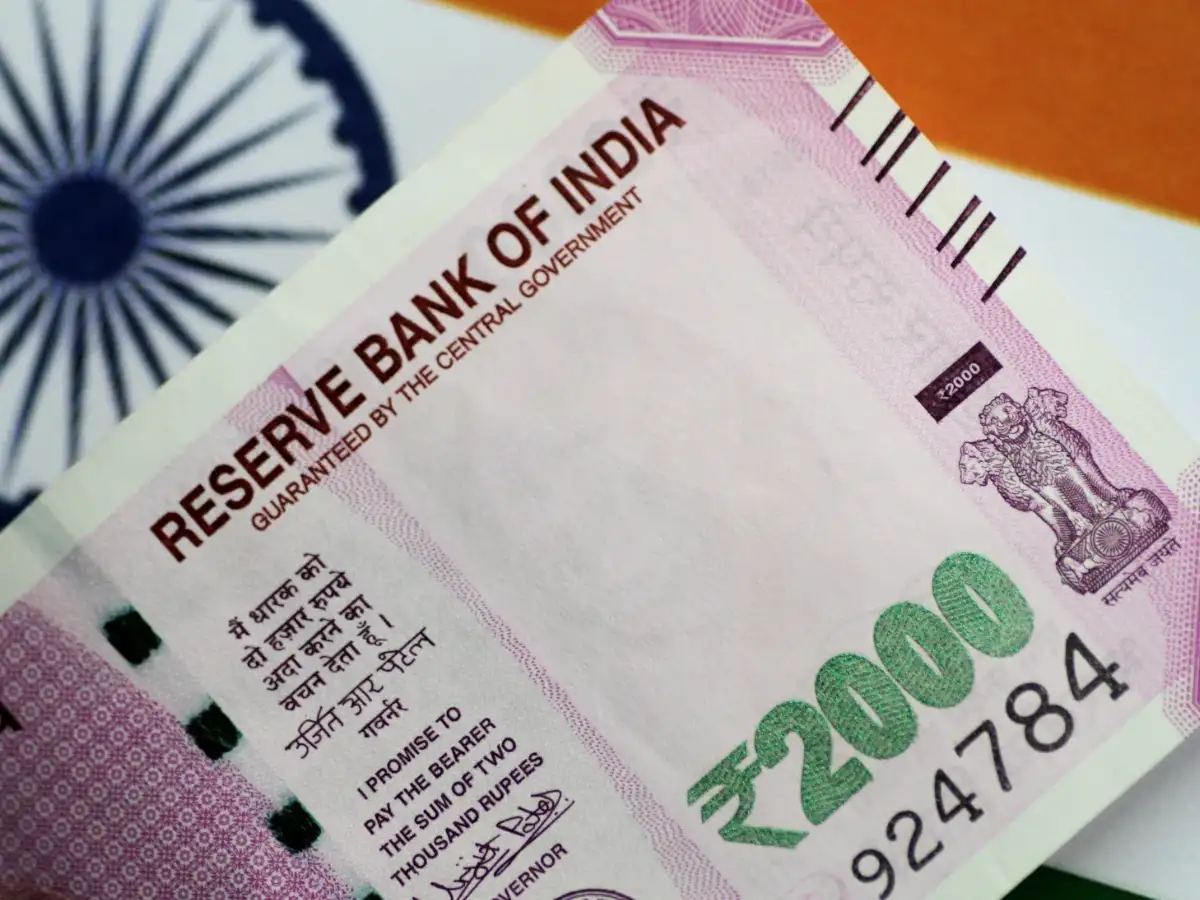
India's foreign exchange reserves dropped by $14.88 billion to $765.90 billion in the week ending September 18. The decline was driven by a fall in foreign currency assets, which decreased by $14.82 billion. This dip was partially offset by a slight increase in gold reserves, which rose by $68 million. Despite this weekly reduction, the overall reserves remain at a very comfortable level.
For investors, this news is not a cause for immediate concern. A decline in reserves usually happens when the central bank sells dollars to support the rupee or to pay for imports. With reserves still hovering near the $770 billion mark, India has ample liquidity to manage external pressures. This stability is a key factor for the banking sector, including Bank India, as it reduces the risk of sudden currency shocks.
Moving forward, investors should keep an eye on global oil prices and the strength of the US dollar. If oil prices rise or the dollar strengthens, the RBI might need to intervene more actively in the forex market. However, as long as reserves remain robust, the domestic banking sector is expected to remain stable.
Excerpt from Economic Times
India's foreign exchange reserves decreased by $14.88 billion, bringing the total to $765.90 billion. The decline occurred during the week ending September 18, according to the Reserve Bank of India data. Foreign currency assets fell by $14.82 billion, while gold reserves rose slightly by $68 million. Despite the…Read the original at Economic Times
Affected stocks
Bearish1 stock
Bull / bear label is derived from the article's AI sentiment — indicative, not advice. Prices may be delayed.
Key takeaways
- Concerns Bank OF India (BANKINDIA).
- Category: Economy.
- AI reads the tone as negative (potentially bearish) for the stock.
- Flagged as a high-impact, market-moving story.
Why it matters
This is a high-impact development for Bank OF India and could move the stock. The tone is negative — watch for downside reaction. Use the price and stock snapshot to gauge how the market is responding.