Indian bonds slip on higher oil, hawkish RBI governor comments
Economic Times 1 hr ago·14 Oct 2026, 6:01 am

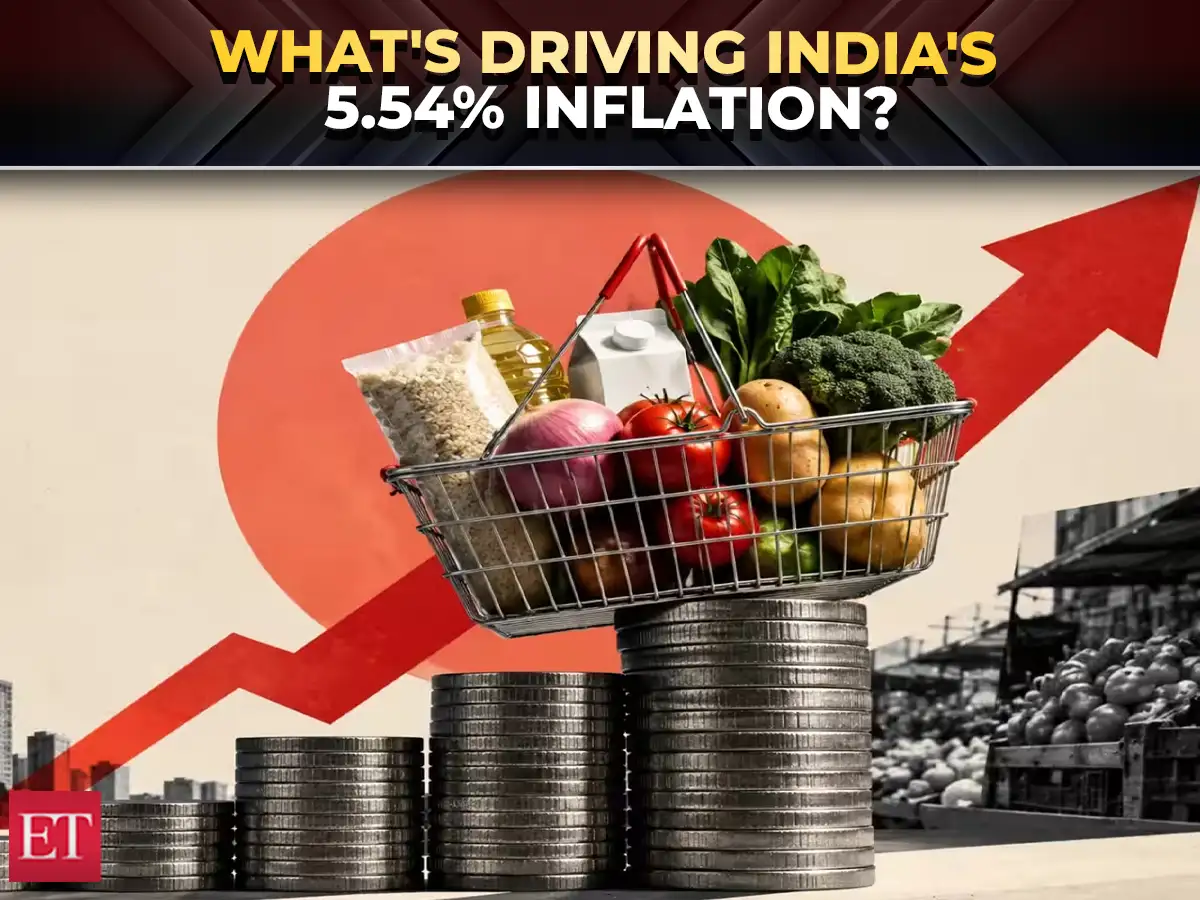
Indian government bonds experienced a decline in value as oil prices climbed due to escalating geopolitical tensions in the Middle East. This rise in oil costs increased the country's import bill and heightened concerns about future inflation. Adding to the pressure, the Reserve Bank of India's recent rate hike signaled a hawkish stance, making fixed-income assets less attractive to investors seeking yield.
For Bank India, this market movement is significant because higher interest rates typically compress the net interest margins that banks earn. As bond yields rise, the value of existing bond holdings falls, which can impact the bank's investment portfolio. Investors should monitor upcoming U.S. inflation data, as this will be a key factor in determining if the RBI will maintain its current tightening cycle.
Excerpt from Economic Times
Indian government bonds faced a downturn, attributed to soaring oil prices and statements from the Reserve Bank of India. The yield on the benchmark 6.94% 2036 bond rose following the central bank's recent rate hike. Geopolitical tensions involving Yemen and Saudi Arabia also pushed oil prices higher. With consumer…Read the original at Economic Times
Affected stocks
Bearish1 stock
Bull / bear label is derived from the article's AI sentiment — indicative, not advice. Prices may be delayed.
Key takeaways
- Concerns Bank of India (BANKINDIA).
- Category: Economy.
- AI reads the tone as negative (potentially bearish) for the stock.
- Flagged as a high-impact, market-moving story.
Why it matters
This is a high-impact development for Bank of India and could move the stock. The tone is negative — watch for downside reaction. Use the price and stock snapshot to gauge how the market is responding.